
A Chinese attempt at blockading or invading Taiwan in 2026 is unlikely. Instead, Beijing is likely to persist with its toolkit of coercive actions to erode Taiwan’s will and narrow its strategic options.
President Xi Jinping’s decision on whether to attempt to take control of the island democracy is driven by his own assessment of risk. While China’s military capabilities advanced rapidly in 2025, domestic and international considerations likely continue to complicate the case for using force against Taiwan.
A year ago, I assessed that China probably would not move on Taiwan in 2025. Since then, Beijing has continued to rely on a broad toolkit of coercion to wear down Taiwan. This has included diplomatic isolation, information operations, economic pressure and sustained military activity around the island. These actions seek to shape the strategic environment while preserving flexibility for Beijing.
As 2026 begins, Xi will be closely assessing domestic and global developments. Factors in his calculus include readiness of China’s military, its leadership reliability, likely US responses, likely responses from other countries, Taiwan’s military preparations, Chinese domestic issues and the broader global context.
Developments across these seven categories can help us understand Xi’s possible considerations. It also helps to explain why coercion short of war likely remains Xi’s preferred course of action for the year ahead.
Chinese military capabilities
On paper, this is the strongest argument in favour of action. The Chinese armed forces made significant gains in 2025 towards its 2027 modernisation goals, including capabilities explicitly designed for use against Taiwan. Amphibious lift, long-range strike, joint firepower and counter-intervention operations have all improved.
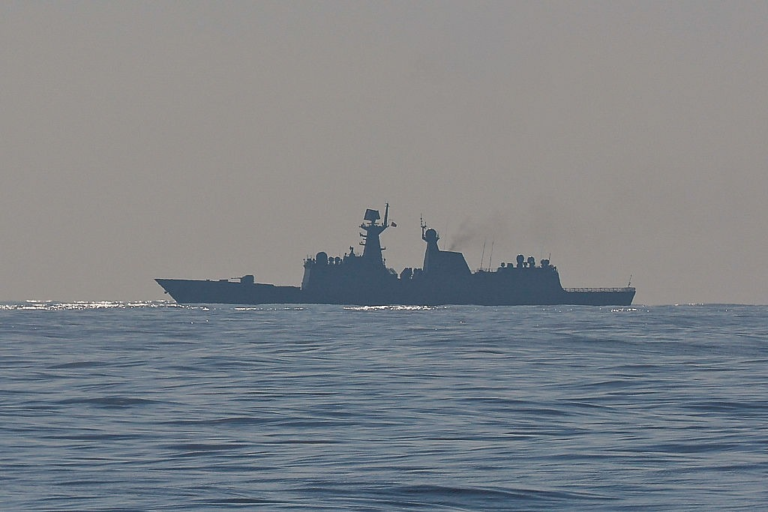
The past year saw the commissioning of China’s third aircraft carrier, the launch of a highly sophisticated amphibious assault ship, and reports of specialised landing barges tailored for Taiwanese operations. Exercises increasingly rehearsed port blockades, precision strikes, and attacks to deter US intervention. China continues to learn lessons from Ukraine, while integration between the military and private sector has deepened, with commercial vessels now participating in logistics and strike-related drills.
From Xi’s perspective, these developments validate decades of investment. Yet capability does not equal confidence. While the armed forces may be closer than ever to being able to fight for Taiwan, success is not guaranteed.
Military leadership and reliability
If hardware is a strength, leadership is a weakness. Xi’s ongoing anti-corruption campaign within the armed forces has removed many senior officers, including members of the Central Military Commission, service political commissars and security chiefs. The churn continued into 2025, reinforcing doubts about unity within the force.
Assessments by the US Department of Defense note that corruption and purges have hindered readiness and command confidence. Even if long-term reforms strengthen the armed forces, the near-term uncertainty likely weighs heavily on Xi’s calculations.
US support for Taiwan
The return of Donald Trump to the White House has complicated Beijing’s reading of US intentions. Trump’s 2025 National Security Strategy adopts a more transactional framing of Taiwan, emphasising semiconductors, maritime commerce and island-chain geopolitics over democratic values.
This shift may reduce Xi’s confidence that the United States will intervene in a Taiwan contingency. But behind the scenes, the US has been providing substantial materiel support. In late 2025, Washington approved its largest-ever arms package for Taiwan, while hundreds of US personnel continued training Taiwanese forces on the island and in the US. From Beijing’s perspective, US power is declining but Washington’s support to Taiwan continues.
Other countries’ support for Taiwan
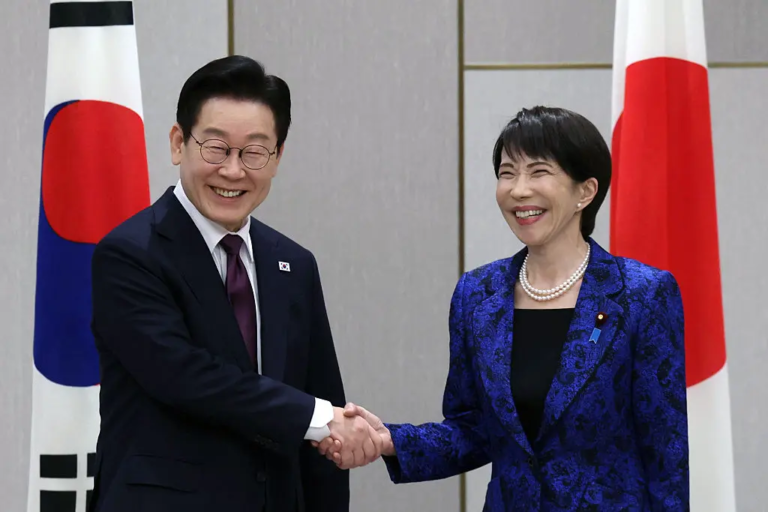
Outside of the US, support for Taiwan remains cautious but incrementally more visible. Japan has taken the most notable steps. Its defence documents increasingly link Taiwan’s security to Japan’s own. In November 2025, Prime Minister Takaichi Sanae told Japan’s Parliament that use of military force in a Taiwan contingency could constitute a survival-threatening situation for Japan, triggering the right of collective self-defence.
The Philippines has also expanded coordination with Taiwan, including coast guard patrols in the Bashi Channel. While none of these moves amounts to a formal security guarantee, they complicate China’s operational environment and increase the risk of countries other than the United States joining in the defence of Taiwan.
Xi has responded sharply to such signals, suggesting they cut against his preference for isolating Taiwan diplomatically.
Taiwan’s own preparations
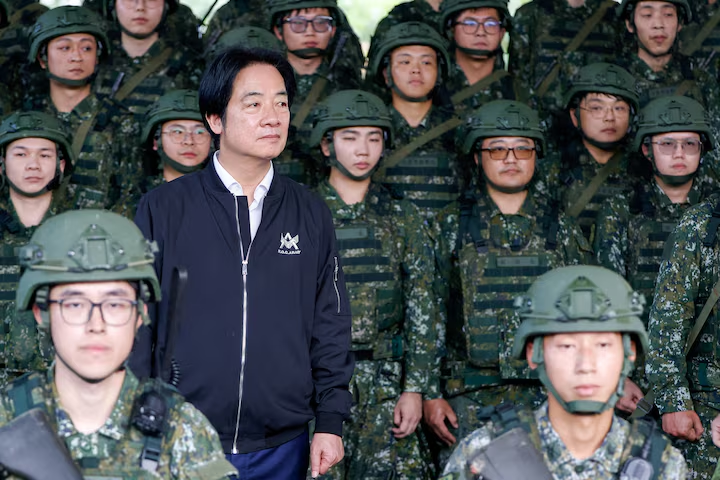
Taiwan has made meaningful strides in strengthening deterrence. President Lai Ching-te increased defence spending commitments, announced a multi-year US$40 billion defence plan and accelerated development of layered air and missile defences. His government has also moved aggressively to counter Chinese espionage and influence operations.
At the same time, domestic political dysfunction limits Taiwan’s momentum. An opposition-controlled legislature has repeatedly blocked key defence budgets, delaying arms purchases and slowing the shift to asymmetric defence. Xi likely sees these developments as both an opportunity and a warning: Taiwan is harder to coerce, but still politically divided.
Chinese domestic pressures
China enters 2026 facing strong economic and demographic headwinds. Growth is slowing, domestic consumption remains weak, the property sector is fragile and youth unemployment is high. Local government debt and demographic decline compound these challenges.
Historically, the Chinese Communist Party’s legitimacy has rested on improving living standards. A major conflict would jeopardise that compact. Estimates suggest even a limited Taiwan war could cost China trillions of dollars. While autocratic leaders sometimes turn outwards to distract from domestic troubles, Xi has generally prioritised regime stability over risky adventurism.
Global events and strategic timing
The US’s January strikes in Venezuela will not have fundamentally altered Xi’s Taiwan calculus. Beijing views Taiwan as an internal issue and rejects analogies grounded in international law. Rather than seeing opportunity, Xi is more likely to use such events rhetorically, portraying the US as destabilising while positioning China as a responsible alternative for the Global South.
Beijing continues to manage its relationship with Washington tactically, particularly ahead of expected leader-level engagements in April. Escalating over Taiwan in 2026 would undermine Beijing’s efforts to stabilise trade, technology access and diplomatic channels.
About the Author