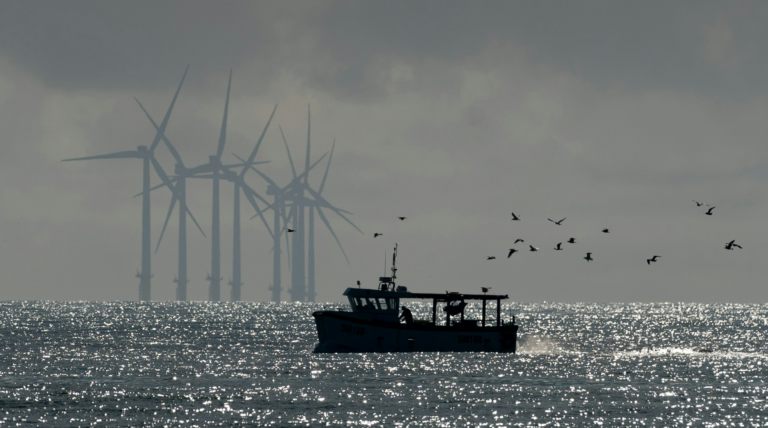

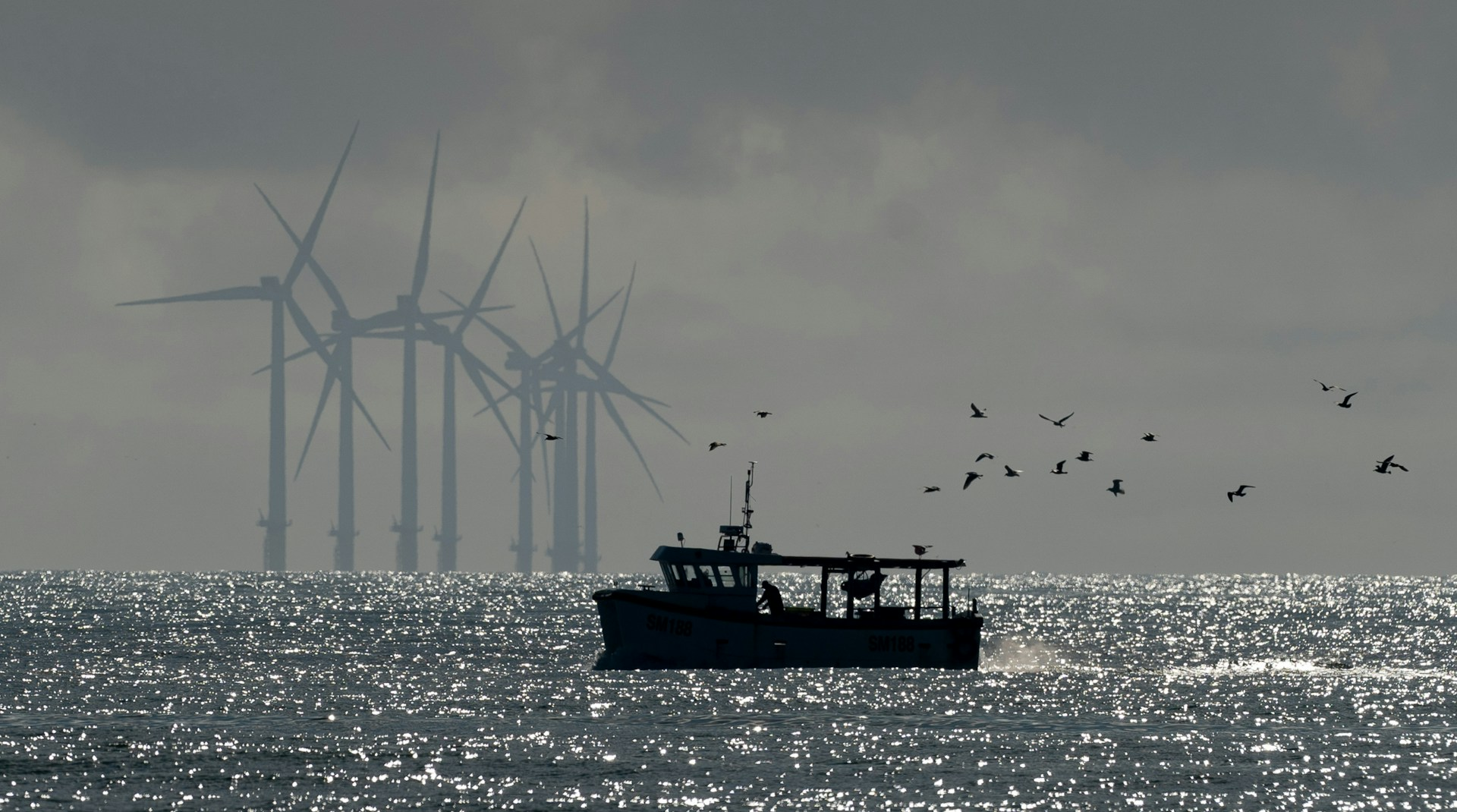
Australia should pause offshore wind developments until it completes a comprehensive national security risk assessment of them. This would include gaining a clear understanding of the security concerns that have led the United States to reassess offshore wind construction.
Projects involving systems made or controlled by Chinese companies should be prohibited near critical ports and undersea infrastructure, naval facilities and places where Australian and allied submarines are most likely to operate.
Offshore wind cannot be treated only as a matter for energy and climate policy. Across the US and Europe, offshore wind is increasingly being reassessed as strategic infrastructure, with direct implications for defence, intelligence, cybersecurity and alliance operations.
In recent years, defence agencies in several Western countries have intervened directly in offshore wind planning. Sweden cancelled 13 offshore wind projects after its armed forces assessed risks to national defence as unacceptable.
Among the concerns, ‘the wind farms could also lead to reduced intelligence-gathering capabilities and disrupt sensors used to detect submarines,’ Swedish Defence Minister Pal Jonson said. Altogether, the construction would have ‘unacceptable consequences for Swedish security.’
He later added: ‘The reaction time in the event of a missile attack could go from 2 minutes to 60 seconds with wind farms in the way.’
Maritime domain awareness is a recurrent security issue with offshore wind farms. Turbine towers and rotating blades generate radar clutter that can degrade the detection and tracking of surface vessels and low-flying aircraft.
Germany has raised concerns about projects involving China-made turbines operating near NATO waters and critical infrastructure. It cited surveillance and supply-chain vulnerabilities. Keeping turbines going requires granting their manufacturers—typically Chinese firms—ongoing physical and digital access. This includes sub-system manufacturers and also applies to onshore windfarms.
In the US, offshore wind construction has been paused and reassessed on national security grounds. Again, interference with surveillance sensors was a factor. Australia needs to fully understand what has driven the US decision.
A worldwide security concern about offshore wind-farms relates to acoustic environments. Defence commentary and scientific research have repeatedly raised the issue of offshore wind infrastructure altering ambient noise conditions and potentially affecting sonar-based detection systems. Studies of operational turbine noise and passive acoustic surveillance show that wind farms introduce persistent sound into the marine environment, which may complicate the performance of seabed sensors and the acoustic systems used by submarines when monitoring surface and undersea activity.
This concern appears consistently in naval-acoustics research, policy analysis, and security commentary, particularly in the context of growing undersea threats (including autonomous submarines), the strategic focus on submarine warfare and the increasing need to protect offshore and subsea infrastructure from sabotage.
In Australia’s case, declared offshore wind zones sit close to air force bases, naval aviation corridors, submarine operating and training environments, air-defence and surveillance radar coverage, undersea cable routes and ports designated as critical national infrastructure.
Australia has proposed offshore wind zones adjacent to some of its most critical east-coast infrastructure, including the Port of Newcastle and Wollongong’s Port Kembla, either of which may host a future submarine base. Australia’s largest fighter base is at Newcastle.
In a 2024 parliamentary submission, former opposition defence spokesperson Andrew Hastie warned that offshore wind proposals raised ‘significant concerns regarding Australia’s sovereignty and national security’ and required careful consideration of broader geopolitical and strategic implications, including consultation with Australia’s AUKUS partners.
This is not an argument against offshore wind in principle. It is an argument against fragmented decision-making.
Energy policy, defence planning, cybersecurity and critical-infrastructure protection too often remain siloed. Australia’s international partners are now correcting this approach by asserting defence involvement earlier and pausing projects where risks cannot be adequately mitigated. Australia has yet to demonstrate a comparable level of integration.
As offshore wind expands into waters adjacent to strategic ports, the threshold for scrutiny must rise accordingly.
For Australia offshore wind is no longer just an energy question; it is a strategic one.
About the Author