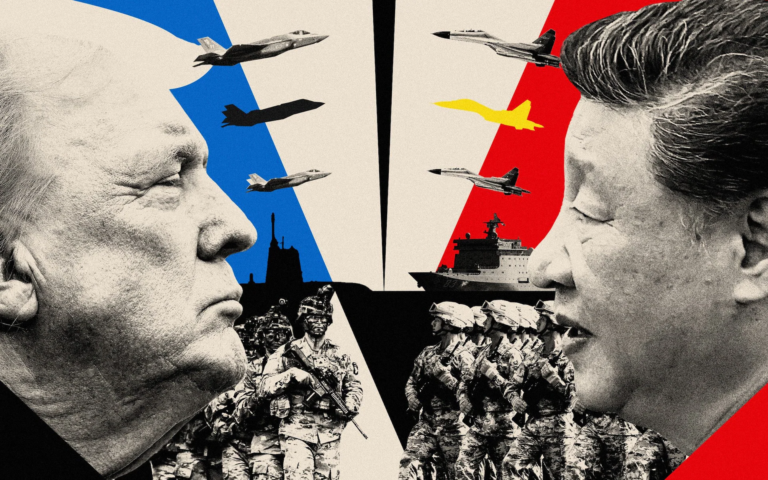

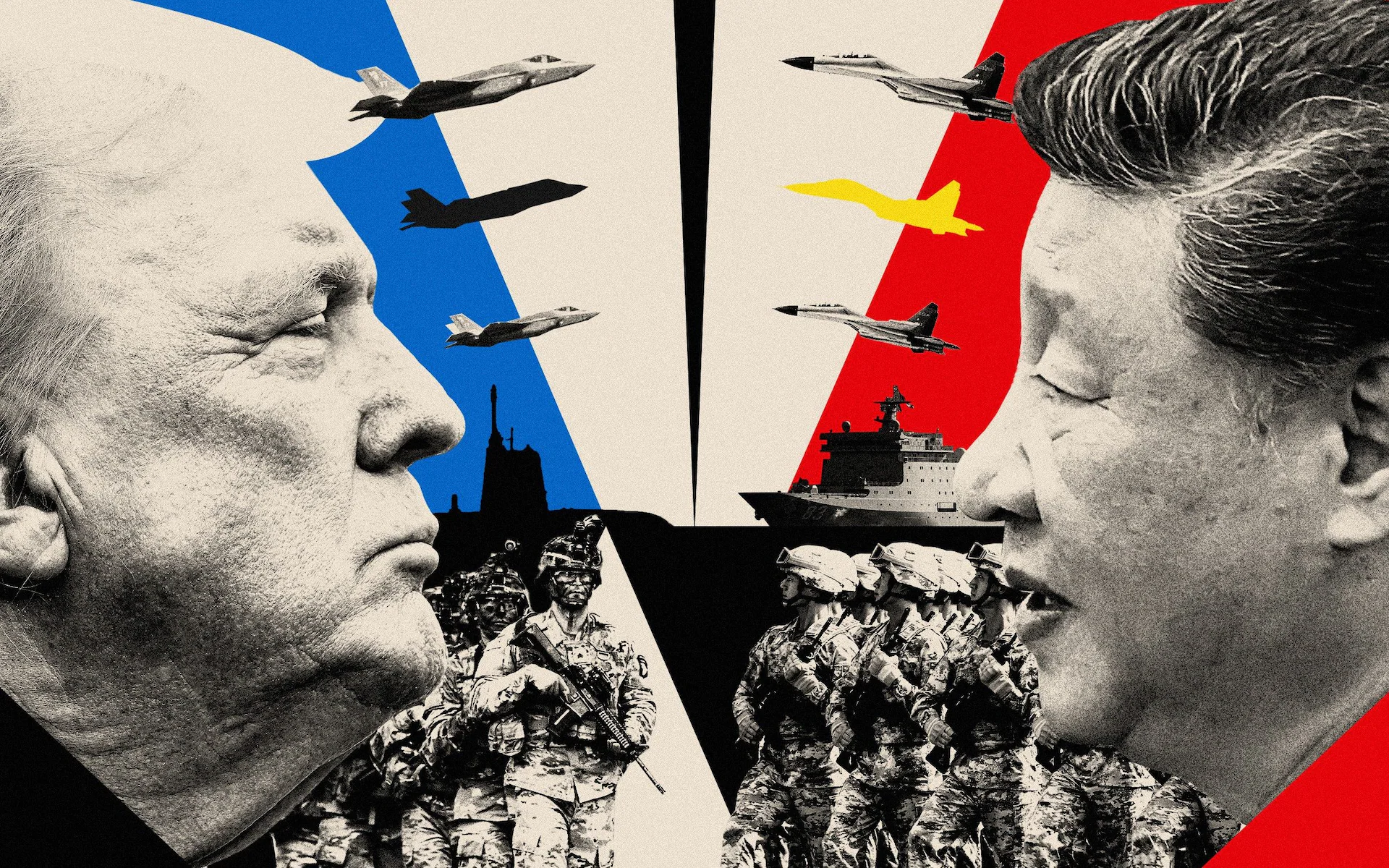
For a long time the question has been asked: if China decides to invade Taiwan, can it be stopped by the US?
In short, is the US still the world’s sole superpower, able to dictate terms to Beijing even just off the China coast – or can the Chinese Communist Party (CCP) now bring the long-standing “Pax Americana”, the rules-based international order, to a conclusive end?
We may find out quite soon now, even as Sir Keir Starmer travels to Beijing this week to break bread with Xi Jinping. Last week, away from the slopes of Davos and largely unnoticed outside the shipping industry, the geopolitical order shifted significantly. A bulk cargo ship named Winning Youth arrived in China carrying 200,000 tons of iron ore.
Big cargoes of iron ore arrive in China all the time, of course, to feed the nation’s enormous appetite for primary steel. Normally, however, the ore comes from Australia (64pc) or Brazil (the other major supplier at 22pc).
The Winning Youth’s cargo was different. It was the first to be shipped from the enormous Simandou deposits in Guinea, West Africa. The ship departed from the Conakry anchorage on Dec 2.
The Simandou mines, the associated rail line to the coast, and the specially built barge port on the Morébaya river estuary from which the ore is loaded aboard ships in the anchorage, are a massive joint project.
This has complex finances, but according to analysis house Drewry: “Chinese entities collectively have the largest strategic influence across the entire project through both mine ownership and shared control of the rail-port infrastructure. China is the largest combined strategic stakeholder.”
The Simandou project is not yet properly online: it took three weeks to get the Winning Youth fully loaded, much longer than it will take to load a bulker once the railway and the barge terminal are up to full capacity. (The mine isn’t really a bottleneck: it’s more a matter of simply scooping ore up and putting it in railway cars rather than mining as generally understood.)
But Simandou is expected to ramp up fast over the next few years, perhaps shipping 120 million tons annually in the near term. It’s also expected that most – if not all – of that ore will go to China.
That matters, because Australian control over the bulk of China’s iron ore supply is often thought to be one of the factors holding Xi Jinping back from an active military campaign to conquer Taiwan. Australia would surely cease shipments of ore in response to such a campaign, and the damage to China’s enormous industries would be colossal.
However, not many years from now, this would have much less effect as massive amounts of ore would still be shipping from Simandou. As the shape of the world’s cargo routes changes, so too will the calculus of power in the Taiwan Strait.
About the Author