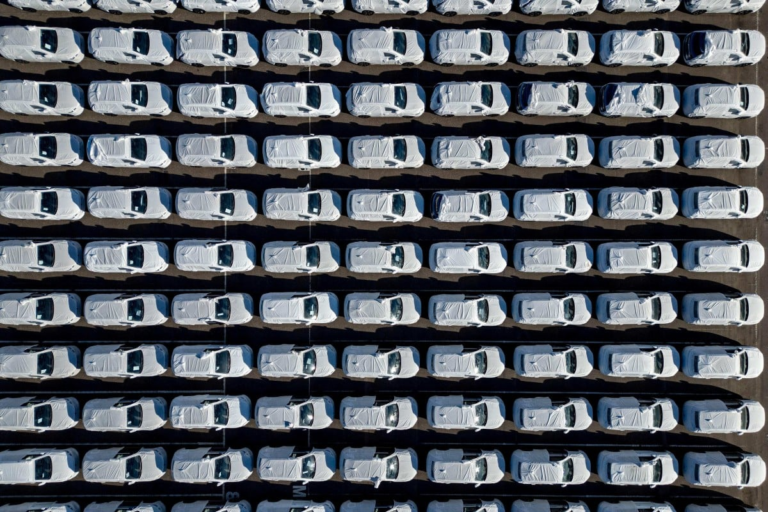

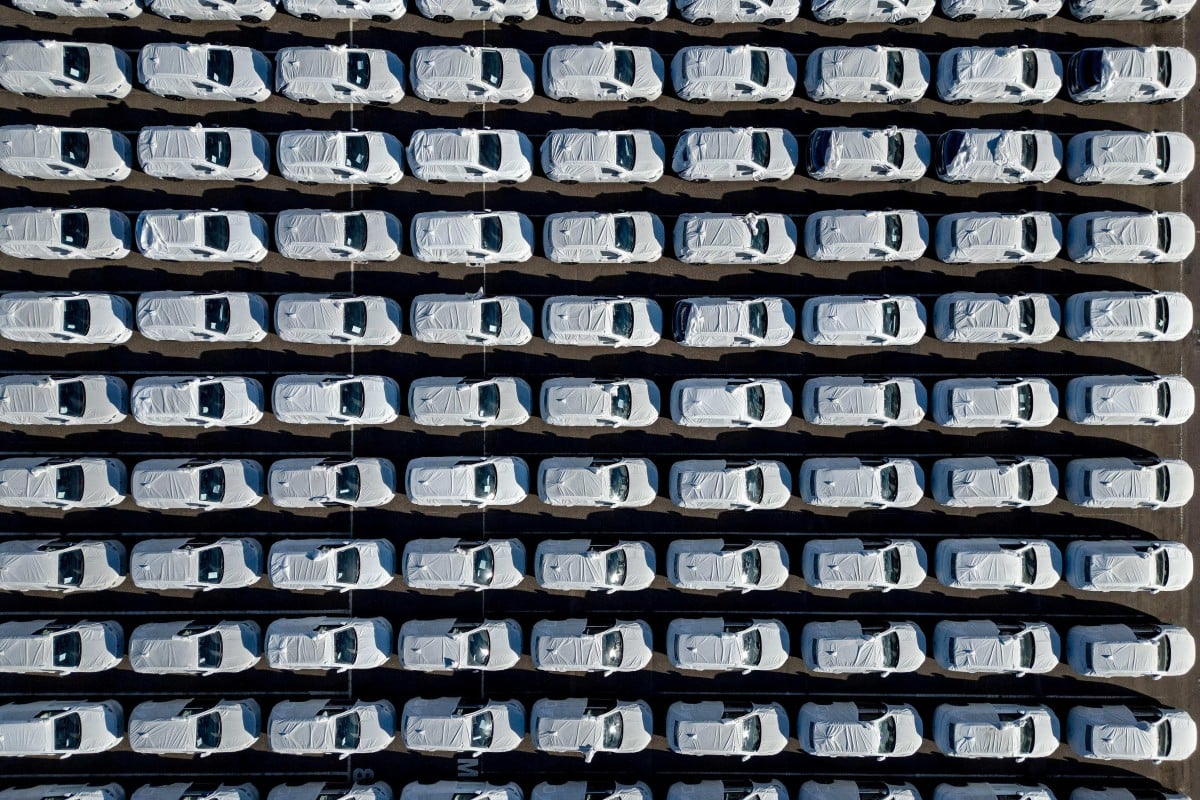
Chinese electric vehicle (EV) king BYD aims for a 24 per cent increase in its overseas deliveries in 2026, buoyed by an expanded sales network and new model launches, as it pursues growth abroad to counteract a slowing domestic market.
The Shenzhen-based company, the world’s largest builder of pure electric and plug-in hybrid vehicles, expected to sell 1.3 million cars this year outside mainland China, up 24.3 per cent from 2025, said Li Yunfei, general manager of branding and public relations, in a media briefing on Saturday.
“We will launch more new models in some lucrative markets, which will include our Denza-branded vehicles,” he said. “Our network of dealers will be further expanded.”
Admitting that BYD faced challenges in driving up its sales both at home and abroad this year, Li said increasing brand awareness across the globe would provide a catalyst for international expansion.
Last year, BYD’s sales outside the mainland accounted for about 23 per cent of its total deliveries, which rose 7.7 per cent to 4.6 million units. Its proportion of overseas sales more than doubled from just 10 per cent in 2024.
BYD builds vehicles under five brands: mass-market brands Dynasty and Ocean, premium brand Denza, off-road-capable SUV brand Fang Cheng Bao and luxury brand Yangwang.
Its overseas distribution network now numbers 2,000 dealers.
The company planned to double showrooms in Europe to 2,000 in 2026 and pledged to create a complete local supply chain for its European production, said Stella Li, a BYD executive vice-president, on the sidelines of the IAA Mobility conference in Munich in September.
Li Yunfei said the company’s manufacturing facilities outside the mainland would ramp up production this year to cater to rising demand. Its factory in Hungary, with an annual capacity of 150,000 units, would start production in either March or April, he added. BYD also operates factories in Thailand and Brazil.
Deutsche Bank estimated mainland sales of passenger cars would fall by 5 per cent in 2026, while UBS predicted a 2 per cent decline because of the automotive industry’s overcapacity woes and softening government support.
He said in October that this margin could rise fourfold to 20,000 yuan if carmakers were to export more vehicles to overseas markets, where their products could command higher prices.
“More Chinese carmakers, particularly EV builders, will up their ante on overseas markets to shore up profitability,” said Gao Shen, an independent analyst in Shanghai. “It will be interesting to see which Chinese-made cars will be more popular in the international markets.”
In December, Xu Jun, chief operating officer of Stellantis-backed Chinese EV maker Leapmotor, said the company predicted its overseas deliveries would represent 10 per cent of its total in 2026, compared with 5 per cent in 2025.
About the Author