
The pace of U.S. military aircraft movements to the Middle East is picking up. The flights, which potentially include F-35A stealth fighters, come amid a growing buildup of U.S. forces in the region. Washington and Tehran continue to trade threats ahead of a potential attack on or from Iran. Meanwhile, in anticipation of conflict, Iran claims it has distributed additional air and sea drones to its troops for potential attacks on U.S. and Israeli assets if needed.
You can catch up with our most recent coverage of tensions in the Middle East in our story here.
During President Donald Trump’s cabinet meeting on Thursday, War Secretary Pete Hegseth said the Pentagon is ready to fulfill any orders given as the American leader is increasing the pressure on Iran to end its nuclear weapons program.
“They should not pursue nuclear capabilities. We will be prepared to deliver whatever this president expects of the War Department,” Hegseth said.
Trump is now considering options that “include U.S. military airstrikes aimed at Iran’s leaders and the security officials believed to be responsible for the killings, as well as strikes on Iranian nuclear sites and government institutions,” CNN reported, citing sources. “Trump has not made a final decision on how to proceed, sources said, but he believes his military options have been expanded from earlier this month now that a US carrier strike group is in the region.”
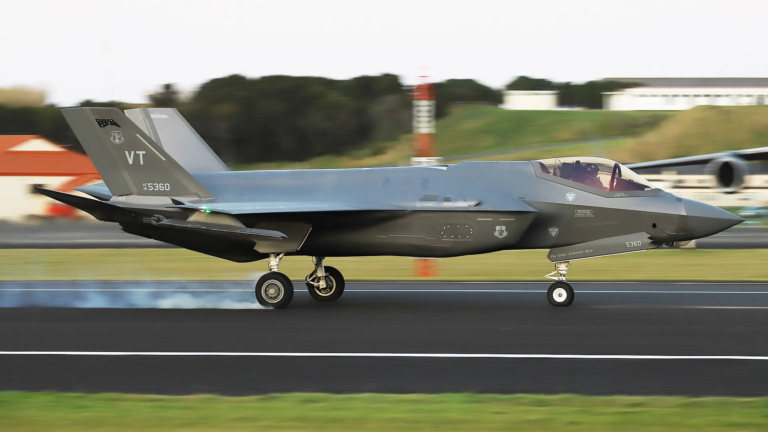
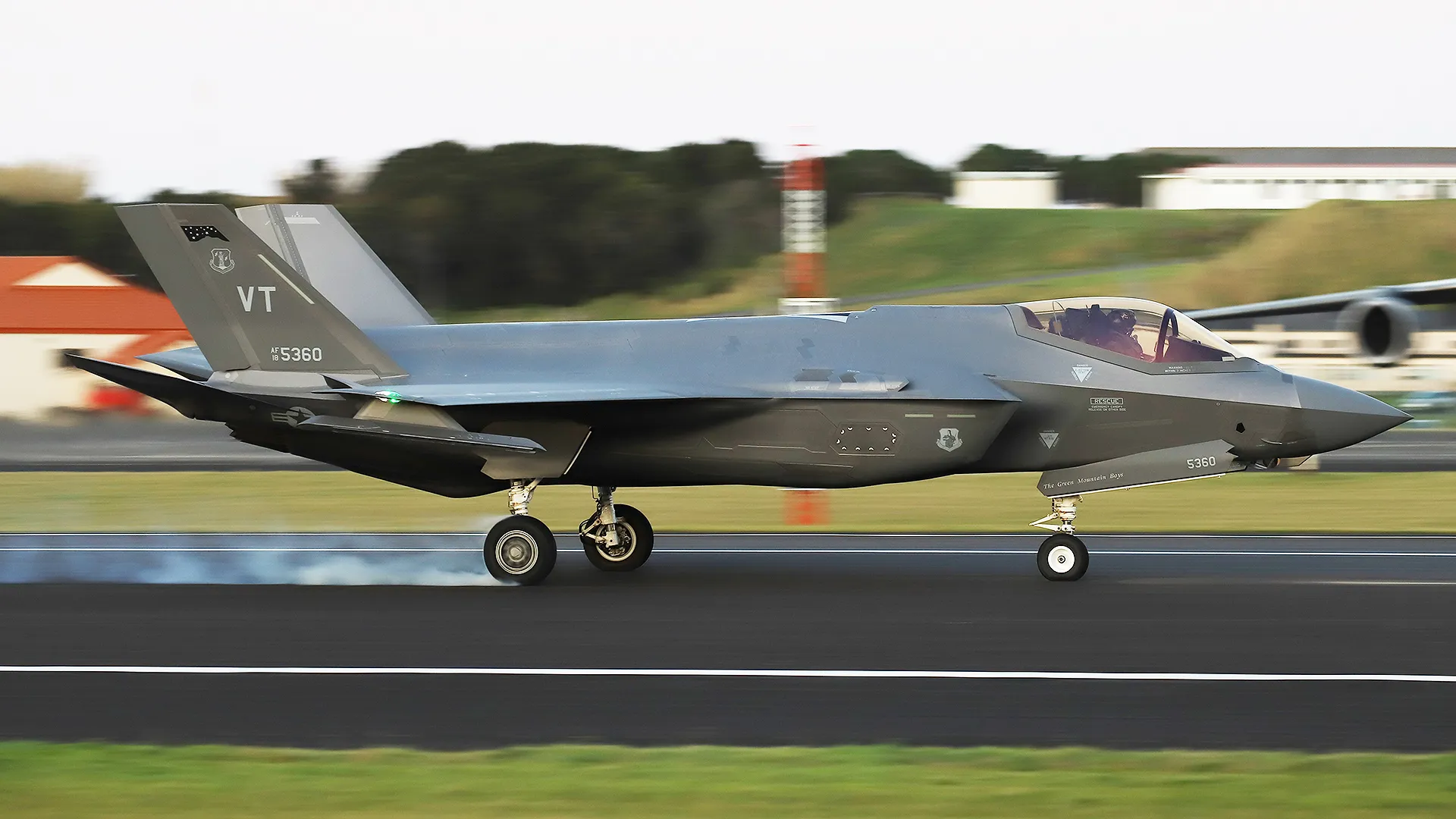
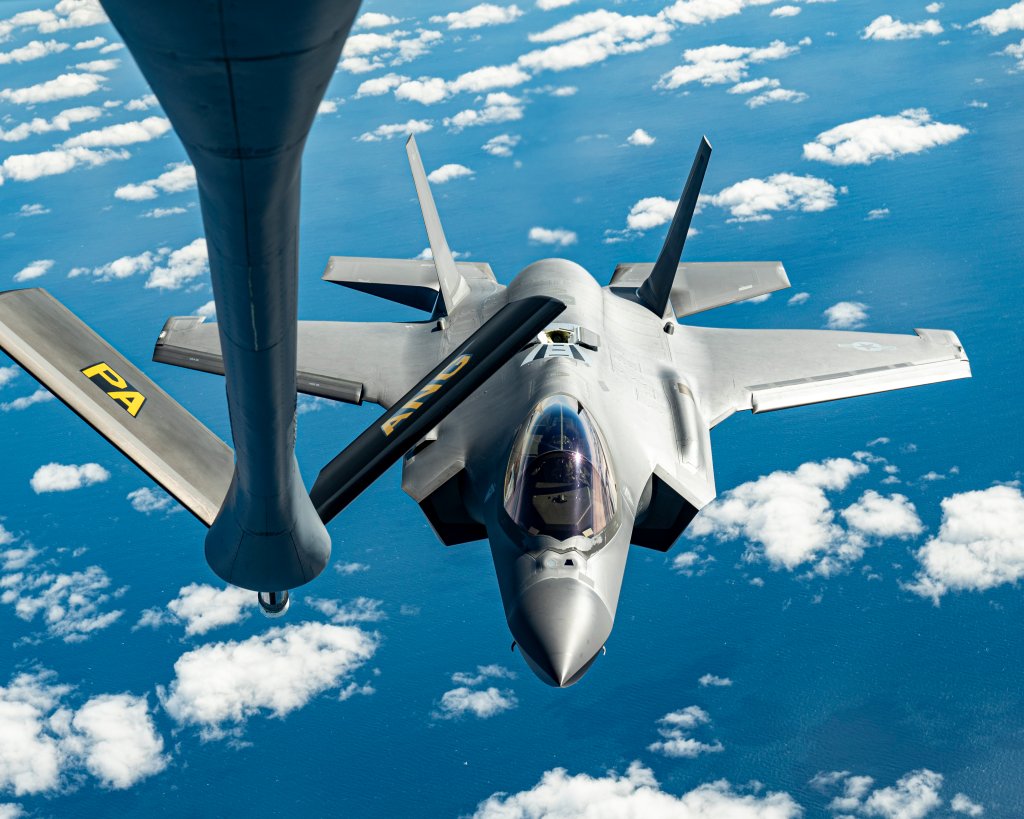
As the rhetoric continues to heat up, there are strong indications that the first flight of U.S. Air Force F-35A stealth fighters may be headed to the Middle East. The jets, from the Vermont Air National Guard, were in Puerto Rico for the pressure campaign that led to the operation that resulted in the capture of Venezuelan dictator Nicolas Maduro. Video from Andre Inacio, who also took the top image in this post, shows some of those jets landing in Lajes, Portugal.
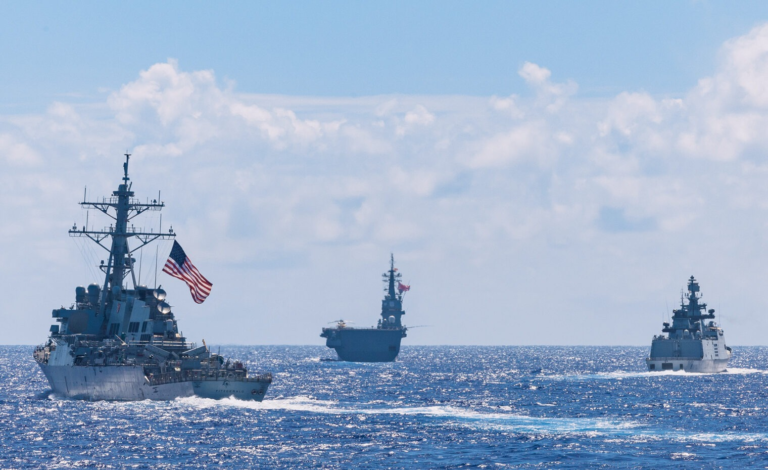
The F-35As would be the latest tactical aircraft sent to the region. As we previously reported, squadrons of F-35Cs, F/A-18E/F Super Hornets and E/A-18G Growlers embarked on the aircraft carrier USS Abraham Lincoln. The aircraft carrier and three escorts are now in the U.S. Central Command Area of Responsibility (AOR). In addition, a dozen F-15E Strike Eagles were sent to Muwaffaq Salti Air Base in Jordan.
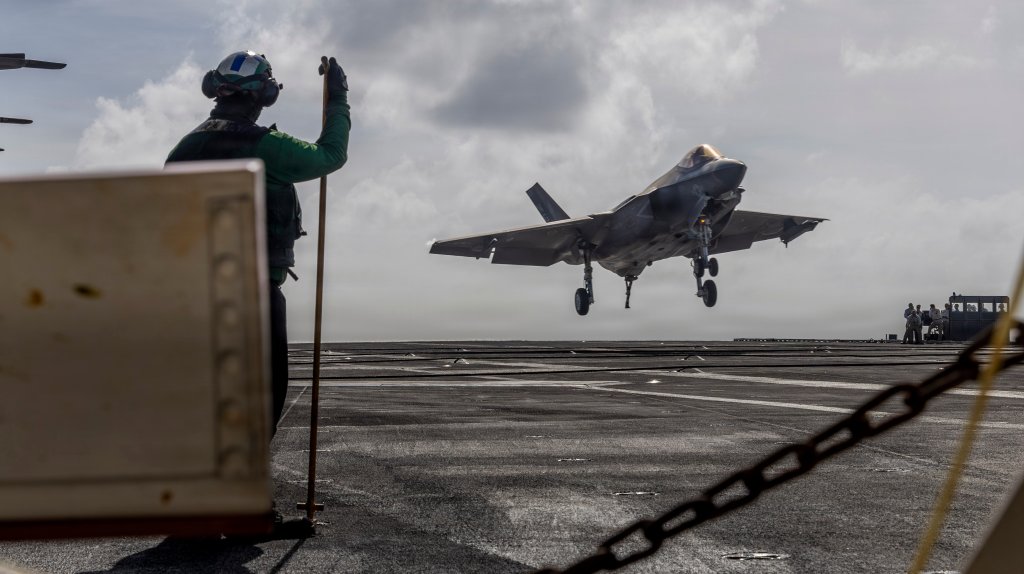
The F-35As would give the U.S. additional capability to strike targets deep inside Iran. They played a key suppression of enemy air defense (SEAD) role during last June’s Operation Midnight Hammer mission, paving the way for B-2A Spirit bombers that dropped 14 30,000-pound GBU-57/B Massive Ordnance Penetrator (MOP) bunker buster bombs on Iran’s Fordow and Natanz nuclear facilities. The F-35As, from the 388th Fighter Wing, were the first aircraft in and the last ones out.
We still don’t know for sure where the F-35As that originally deployed to the Caribbean will end up. The Vermont Air National Guard declined to comment on the deployment, citing operational security concerns and U.S. Central Command does not discuss any movements. That being said, the movement would fit the same pattern we have seen of the influx of capabilities into the Middle East.
Case in point, F/A-18G Growler electronic warfare (EW) jets have also crossed the Atlantic. Flight-tracking data shows that they have left Oceana Naval Air Station in Virginia, headed toward Moron Air Base in Spain. From there, they could potentially fly to the Middle East. Yesterday, we reported that, just like the F-35As, these aircraft departed from their assignment to the Caribbean.
As we pointed out, “Growlers in the Middle East would be critical force multipliers. Such a deployment could be indicative of what one would see in the lead-up to a kinetic operation centered heavily on strikes on targets in inland areas, such as ones the U.S. and possibly Israel might carry out in Iran in the future. Growlers can provide electronic warfare support for standoff munitions and/or aircraft penetrating into enemy air defenses, among other battlefield effects.”
Another Combat King may be on the way, according to flight tracking data showing it left Rota, Spain. It is possibly headed to Muwaffaq Salti as well. Again, we have no independent confirmation of this. However, sending them to the Middle East at this time makes sense should Trump order a strike on Iran. Combat Kings would be needed for the rapid rescue of any aircrews lost during military operations, specifically over contested territory. They can also support special operations aircraft with aerial refueling for non-personnel recovery missions.
Also drawing a lot of interest from flight trackers online, a WC-135R Constant Phoenix “nuke sniffing” jet, callsign COBRA31, has arrived at RAF Mildenhall from Offutt Air Force Base in Nebraska, according to flight-tracking data and the ADS-B exchange. The jets collect air samples to screen for the presence of notable nuclear materials. Beyond taking baseline readings around the globe, the Constant Phoenix jets can be deployed to monitor nuclear weapons tests and look for and track nuclear leaks and other nuclear incidents.
Constant Phoenix jets are no strangers to Europe, as we have noted in the past, so this could very well be a routine flight. While Mildenhall is a frequent jumping-off point for flights to the CENTCOM region, we don’t know for sure where this one is headed. At the same time, moving a jet like this to the Middle East, or at least closer to that region, could make sense if strikes on nuclear sites are being planned. We just don’t know at this time.
About the Author