
The appointment of President Prabowo Subianto’s nephew to the leadership of Bank Indonesia (BI) has reignited debate over whether Southeast Asia’s largest economy can preserve the central bank’s independence – a question closely watched by foreign investors and currency markets.
While some analysts warned that any perception the central bank could become more responsive to government financing needs risks capital outflows and pressure on the rupiah, others said Bank Indonesia’s collective decision-making structure would limit the influence of any single appointee.
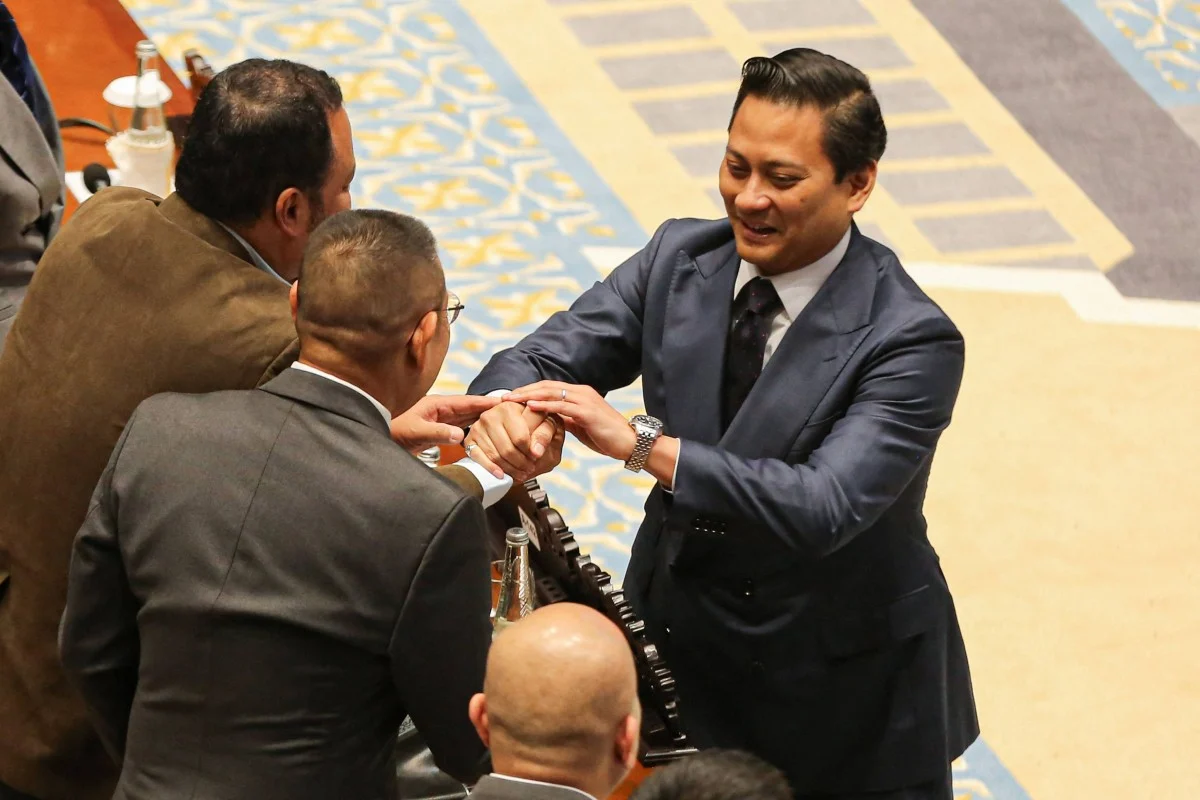
Indonesia’s House of Representatives on Tuesday formally appointed former deputy finance minister Thomas Djiwandono as a deputy governor of Bank Indonesia, a post he will hold until 2031 after passing a series of fit-and-proper tests and securing unanimous approval.
Thomas, who is Prabowo’s nephew, replaces Juda Agung, who will in turn move to the Ministry of Finance as deputy minister.
US-educated Thomas continues his family’s banking tradition, as his father, Soedradjad Djiwandono, was Bank Indonesia governor from 1993 to 1998. Prabowo’s grandfather, Margono Djojohadikusumo, was dubbed “the father of national banking”, as he established and led the country’s first central bank, Bank Negara Indonesia, in 1946.
Muhammad Misbakhun, chairman of Commission XI at the parliament, which oversees finance and banking, said Thomas was chosen due to his experience in the Ministry of Finance.
About the Author