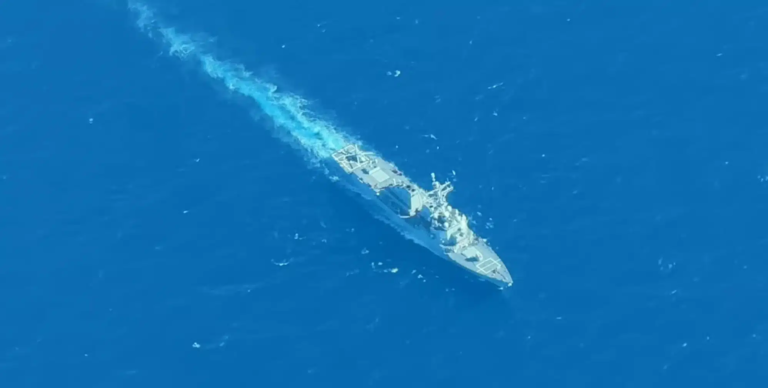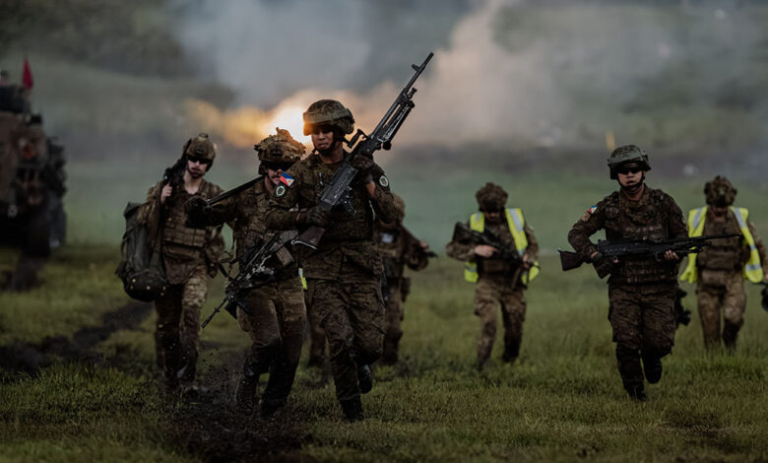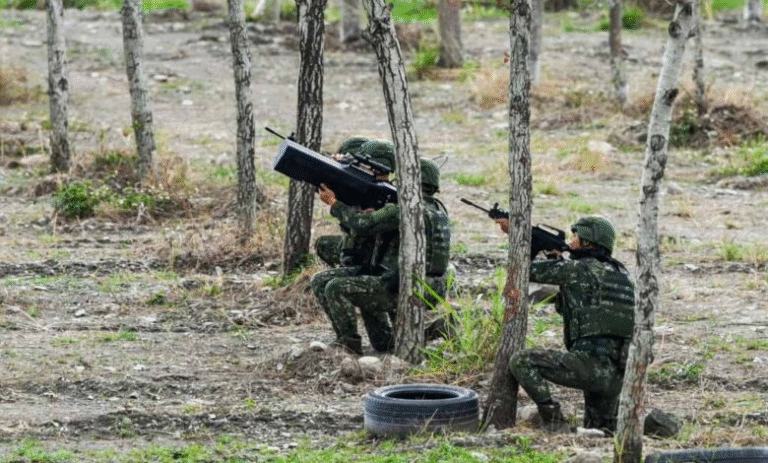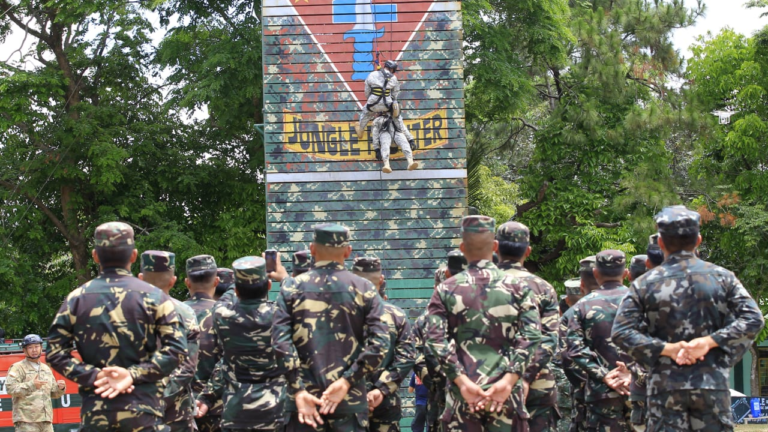


On a humid morning earlier this week, 48 kilometers east of Bajo de Masinloc (also known as Scarborough Shoal), a modern naval David and Goliath battle unfolded. In a corner, the BRP Cabra, a humble 44-meter Philippine Coast Guard vessel; towering over it, two “monster” China Coast Guard (CCG) ships: 4305 and 3305, measuring 134 m. and 111 m. respectively – effectively frigates painted white.
In a traditional 20th-century engagement, the Cabra would have been intimidated into silence.
But in 2025, the Filipino captain did not fire a single shot; instead, he fired a broadcast. He issued a radio challenge, citing the UN Convention on the Law of the Sea (UNCLOS) and the 2016 Arbitral Ruling, while drones and sensors livestreamed the encounter to the world.
This incident was part of a new doctrine known as “assertive transparency.” For Israel – a nation perpetually fighting a war on the narrative front while managing complex relations with superpowers – the Philippine laboratory in the South China Sea offers critical lessons in how technology can turn the “gray zone” transparent.

The failure of silence
To understand the current technological pivot, it is essential to recognize the strategic failure that preceded it. For years, Southeast Asian claimants Vietnam, Malaysia, and Brunei adopted a policy of “shelving disputes.” The logic was seductive: Freeze the sovereignty arguments to unlock Chinese economic cooperation.
The results were disastrous. The “shelving” policy did not arrest Beijing’s ambitions; it normalized them.
While the region remained quiet, China solidified its administrative control, notably establishing Sansha City in 2012 and militarizing artificial islands through massive reclamation projects. Silence did not buy peace; it bought China time to change the facts on the ground.
The Philippines, under former president Rodrigo Duterte, initially followed this path, setting aside legal victories for promised investments.
However, the current administration of Ferdinand Marcos Jr. executed a sharp U-turn. Realizing that silence equals submission, Manila launched the “transparency initiative.” Its goal: to shine a light on every single grey-zone incursion, denying Beijing the cover of deniability.
Technology as a truth-teller
The genius of the Philippine strategy lies in converting military asymmetry into cognitive superiority. They cannot out-gun the Chinese Navy, but they can out-truth them.
This operational concept relies on a stack of transparency tech. Commercial satellites, Automatic Identification Systems (AIS), and embarked media teams expose that the “fishing vessels” swarming Philippine waters are actually maritime militia acting in military formation.
When the BRP Cabra shadowed the Chinese vessels this week, its primary weapon was the radio challenge. By formally reading the legal violations into the record while recording the event, the Coast Guard engaged in “operationalized lawfare,” creating a forensic digital trail for future international litigation.
The internal front, biometrics vs espionage
However, the battle for sovereignty is not limited to the maritime domain. It has bled into the internal security apparatus, revealing a hybrid warfare threat that should resonate deeply with the Israeli defense establishment.
A Philippine court this month sentenced Alice Guo, a former small-town mayor, to life imprisonment for human trafficking.
Guo had been a popular local politician until biometric data revealed a shocking truth: She was not Filipino at all. Her fingerprints matched those of Guo Hua Ping, a Chinese national.
Guo used her position to protect a POGO (Philippine Offshore Gaming Operator) a sprawling 36-building compound that functioned not just as an online casino, but as a hub for cybercrime, scams, and human trafficking.
Such compounds serve as “shadow bases,” utilizing civilian infrastructure and advanced communications tech to conduct illicit operations from within the host nation. It was only through the integration of biometric databases and forensic investigation that the “spy within” was unmasked.
Lessons for the Start-Up Nation
What is happening in the Indo-Pacific is a live-fire exercise in modern sovereignty defense, and Israel must take notes.
First, the camera is a strategic weapon. Israel often finds itself on the back foot against “Pallywood” fabrications.
The Philippines teaches us that raw, real-time sensor data is the best disinfectant. Releasing footage of humanitarian aid or precision strikes should not be an afterthought of the Spokesperson’s Unit, but an operational imperative executed with the same speed as the kinetic strike itself.
Second, silence is dangerous. The “shelving disputes” model failed in the South China Sea, just as “quiet for quiet” failed on Israel’s borders.
Allowing an aggressor to build capabilities undisturbed in the name of temporary economic or diplomatic calm is a strategic error. Finally, there is a clear industrial opportunity. The Philippines is effectively fighting a tech war. They require the very tools that Israel has perfected: fast patrol craft (like the Israel Shipyards vessels already in service there), advanced unmanned aerial vehicles (UAVs) for persistent monitoring, and cyber-defense systems to protect the integrity of their communications.
Manila has decided that if it must face a giant, it will do so with the lights turned on.
Israel, facing its own giants in both the kinetic and cognitive arenas, would be wise to ensure its own floodlights are just as bright.
About the Author