
Iran is ready to dilute its stockpile of enriched uranium in order to reach a deal with the United States on its nuclear programme.
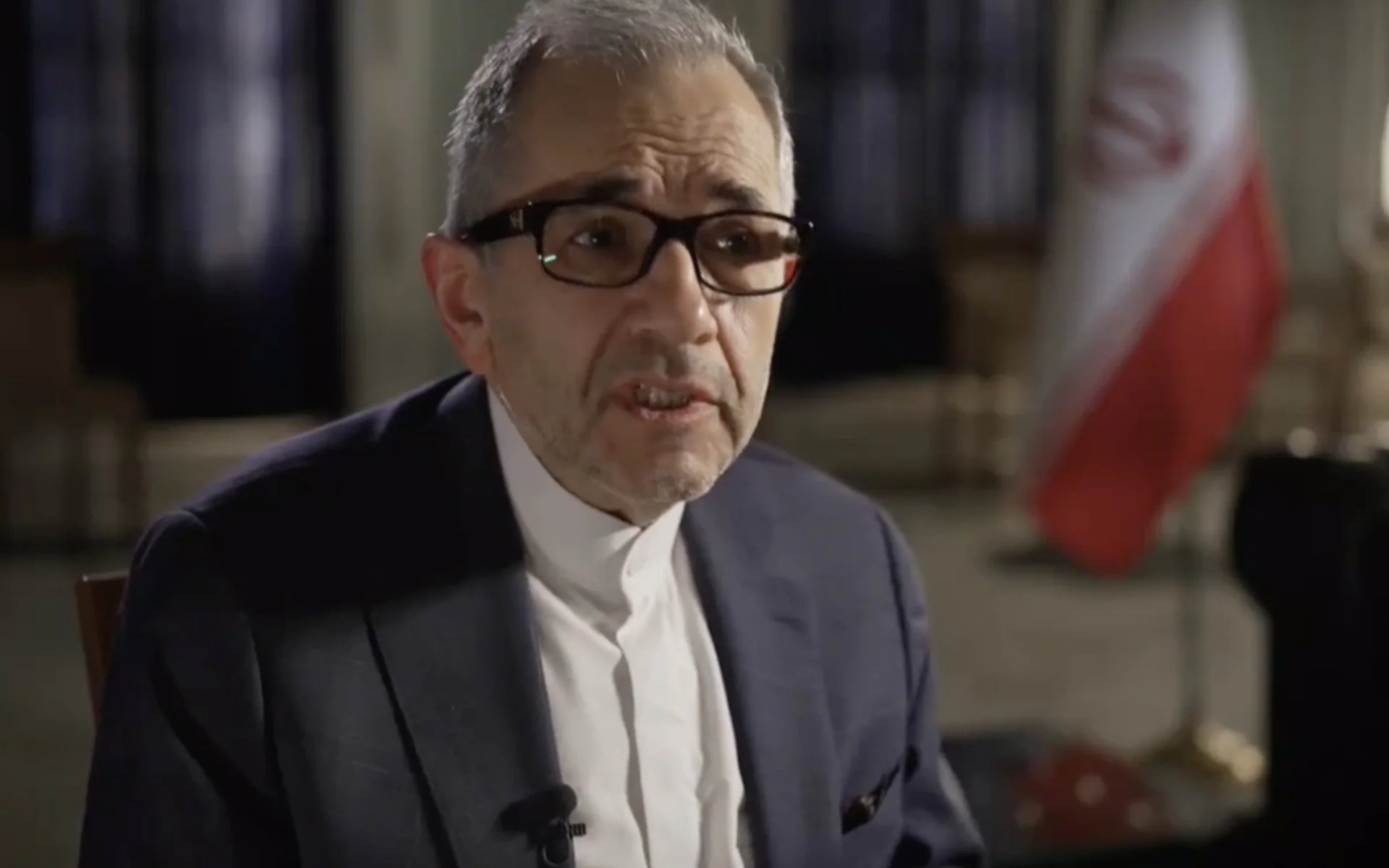
Majid Takht-Ravanchi, Tehran’s deputy foreign minister, told the BBC his country was “ready to discuss this and other issues related to our programme if they are ready to talk about sanctions”.
It is the first time a senior negotiator has conceded that Iran is willing to compromise on its nuclear programme, suggesting possible progress ahead of a second round of talks this week.
Mr Takht-Ravanchi also suggested the US had privately told Tehran that it would be willing to allow Iran to keep some enriched uranium, despite Donald Trump’s public zero tolerance stance.
He also claimed that Washington was no longer trying to include other issues in the nuclear talks with Iran, such as the regime’s ballistic missile programme or its support for terror groups in the Middle East.
“Our understanding is that they have come to the conclusion that if you want to have a deal you have to focus on the nuclear issue,” he said.
The next round of nuclear talks between Iran and the US is expected to take place in Geneva on Tuesday, with Steve Witkoff, the special envoy, representing Washington and Abbas Araghchi, the foreign minister, representing Tehran.
Pressed on the issue of shipping its stockpile of more than 400kg of highly enriched uranium to another country, Mr Takht-Ravanchi said: “It’s too early to say what will happen in the course of negotiations.”
Mr Takht-Ravanchi also claimed that the question of zero enrichment of uranium “is not an issue any more and as far as Iran is concerned, it is not on the table any more.”
That directly contradicted what Mr Trump told reporters on Friday when asked about the issue. “We don’t want any enrichment,” he said.
The ball is “in America’s court to prove that they want to do a deal”, Mr Takht-Ravanchi said, adding that if Washington “is sincere, I’m sure we will be on the road to an agreement”.
Axios, meanwhile, has reported that Benjamin Netanyahu, the Israeli prime minister, told Mr Trump during their meeting at the White House this week that it is impossible to reach a good deal with Iran.
Even if an agreement is reached, Mr Netanyahu reportedly said that Iran cannot be trusted to abide by it.

Mr Trump’s son-in-law Jared Kushner and Mr Witkoff, reportedly echoed Mr Netanyhu’s view, telling the US president that it is difficult, if not impossible, to reach a good deal with Iran.
Mr Trump also told reporters on Friday that regime change in Iran would be the “best thing that could happen” but declined to say whether the US would take over control of Iran, adding: “I don’t want to talk about that.”
USS Gerald R Ford, the largest aircraft carrier in the world, left the Caribbean for the Middle East, in Mr Trump’s words, “in case we don’t make a deal – we’ll need it”.
The deployment of the aircraft carrier adds further military heft to an already comprehensive American military build-up in the Middle East, which includes the USS Abraham Lincoln aircraft carrier and its guided-missile destroyers in the Arabian Sea.

Iran is ready to dilute its stockpile of enriched uranium in order to reach a deal with the United States on its nuclear programme.
Majid Takht-Ravanchi, Tehran’s deputy foreign minister, told the BBC his country was “ready to discuss this and other issues related to our programme if they are ready to talk about sanctions”.
It is the first time a senior negotiator has conceded that Iran is willing to compromise on its nuclear programme, suggesting possible progress ahead of a second round of talks this week.
Mr Takht-Ravanchi also suggested the US had privately told Tehran that it would be willing to allow Iran to keep some enriched uranium, despite Donald Trump’s public zero tolerance stance.
He also claimed that Washington was no longer trying to include other issues in the nuclear talks with Iran, such as the regime’s ballistic missile programme or its support for terror groups in the Middle East.
“Our understanding is that they have come to the conclusion that if you want to have a deal you have to focus on the nuclear issue,” he said.
The next round of nuclear talks between Iran and the US is expected to take place in Geneva on Tuesday, with Steve Witkoff, the special envoy, representing Washington and Abbas Araghchi, the foreign minister, representing Tehran.
Pressed on the issue of shipping its stockpile of more than 400kg of highly enriched uranium to another country, Mr Takht-Ravanchi said: “It’s too early to say what will happen in the course of negotiations.”
Mr Takht-Ravanchi also claimed that the question of zero enrichment of uranium “is not an issue any more and as far as Iran is concerned, it is not on the table any more.”
That directly contradicted what Mr Trump told reporters on Friday when asked about the issue. “We don’t want any enrichment,” he said.
The ball is “in America’s court to prove that they want to do a deal”, Mr Takht-Ravanchi said, adding that if Washington “is sincere, I’m sure we will be on the road to an agreement”.
Axios, meanwhile, has reported that Benjamin Netanyahu, the Israeli prime minister, told Mr Trump during their meeting at the White House this week that it is impossible to reach a good deal with Iran.
Even if an agreement is reached, Mr Netanyahu reportedly said that Iran cannot be trusted to abide by it.
Mr Trump’s son-in-law Jared Kushner and Mr Witkoff, reportedly echoed Mr Netanyhu’s view, telling the US president that it is difficult, if not impossible, to reach a good deal with Iran.
Mr Trump also told reporters on Friday that regime change in Iran would be the “best thing that could happen” but declined to say whether the US would take over control of Iran, adding: “I don’t want to talk about that.”
USS Gerald R Ford, the largest aircraft carrier in the world, left the Caribbean for the Middle East, in Mr Trump’s words, “in case we don’t make a deal – we’ll need it”.
The deployment of the aircraft carrier adds further military heft to an already comprehensive American military build-up in the Middle East, which includes the USS Abraham Lincoln aircraft carrier and its guided-missile destroyers in the Arabian Sea.
Recommended
Iran fills nuclear site entrances to block US commandos
In Israel, speculation continued over whether Jerusalem should strike Iran in case a bad deal is reached between the US and Tehran.
Ya’akov Amidror, a former national security adviser to Mr Netanyahu and a former chairman of Israel’s National Security Council, told The Telegraph that if the US reaches an agreement with Iran that does not include its ballistic missile programme, Israel should launch an attack on its own.
Israel should not “surprise” the US but notify Washington ahead of an attack, Mr Amidror said, adding: “We should focus and allocate all our capability to destroy the ability of the Iranians to produce missiles, not more, not less.”
Mr Amidror said the US has made a mistake by not giving Iran a timetable for nuclear negotiations, because Tehran would try to play for time.
“They should have given them one [timetable]. The Iranians want to gain time until the elections in America in November, until the end of the term of this president, assessing the next president will be easier for them.”
About the Author