
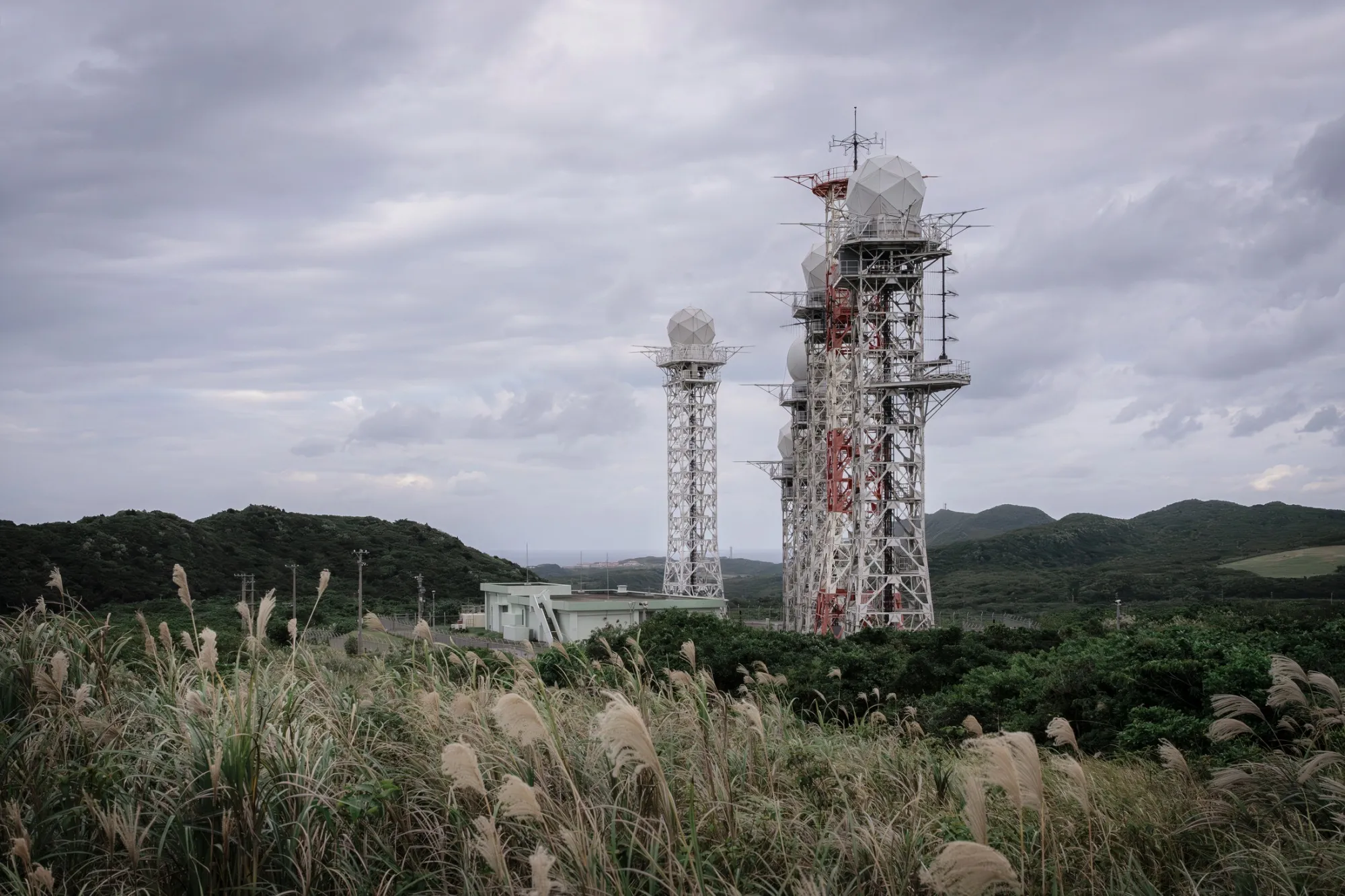
As military tensions between China and Japan reach the highest level in more than a decade, the sparsely populated island of Yonaguni finds itself right on the front lines.
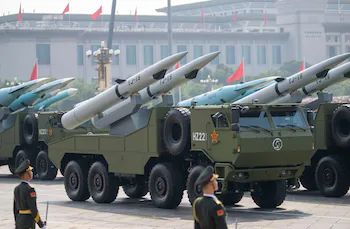
Sitting just 110 kilometers (68 miles) east of Taiwan, Yonaguni marks the tail end of an archipelago stretching north to Japan’s main islands, a distance roughly equivalent to the length of the California coastline. Ever since former US House Speaker Nancy Pelosi’s trip to Taipei in 2022 prompted China to fire missiles that landed near Yonaguni, Japan has accelerated plans for its largest military buildup in at least four decades.
Up and down the 160-strong Ryukyu island chain, Japan is quickly putting in place missile batteries, radar towers, ammunition storage sites and other combat facilities. It’s also beginning to deploy major military assets on Kyushu, the southernmost of Japan’s four main islands, including F-35 fighter jets and long-range missiles, as well as expanding its version of the US Marine Corps, known as the Amphibious Rapid Deployment Brigade.
Japan Races to Fortify Southern Islands
Note: Bases include camps, air bases, submarine bases and signals-intelligence sites
The race to fortify the islands is raising the stakes of the current spat between Asia’s biggest economies, as Beijing ramps up pressure to force Prime Minister Sanae Takaichi to retract remarks suggesting that Japan might deploy its military if China one day attempts to seize Taiwan. Over the weekend, a Chinese fighter aircraft locked its weapons-targeting radar on Japanese warplanes, showing the risk of miscalculation if tensions persist.
“China’s People’s Liberation Army is undoubtedly building up its ability to force Taiwan into submission,” said Koichi Isobe, a former lieutenant general in Japan’s Ground Self-Defense Force. “Japan, the United States, and other Western countries must show China their strong resolve to oppose any actions that seek to change the status quo.”
About the Author