
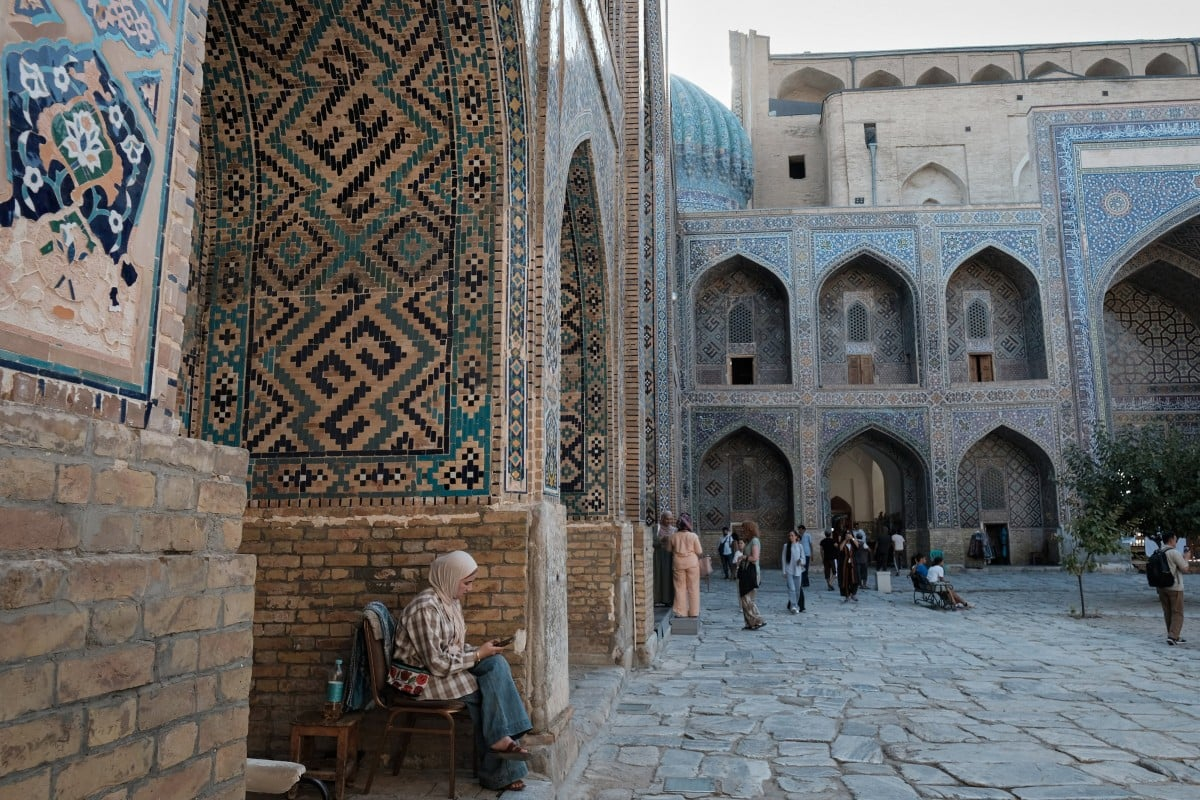
Japan will host the leaders of five Central Asian countries in Tokyo this week, a meeting analysts say is meant to show that “Japan is back” as an active player in a region where global powers are competing for influence, minerals and transport routes.
The summit with Kazakhstan, Uzbekistan, Tajikistan, Kyrgyzstan and Turkmenistan, scheduled for Friday and Saturday, is also expected to consolidate Tokyo’s long-standing but “often underestimated role” in Central Asia as a trusted and non-coercive partner.
Initially planned for August last year, the Japan-Central Asia summit was cancelled after then prime minister Fumio Kishida cut short overseas travel plans in response to warnings over a possible megaquake in the Nankai Trough off Japan’s Pacific coast.
Japanese Prime Minister Sanae Takaichi and the leaders of the five nations are expected to establish a new framework for cooperation in artificial intelligence, according to Jiji Press.
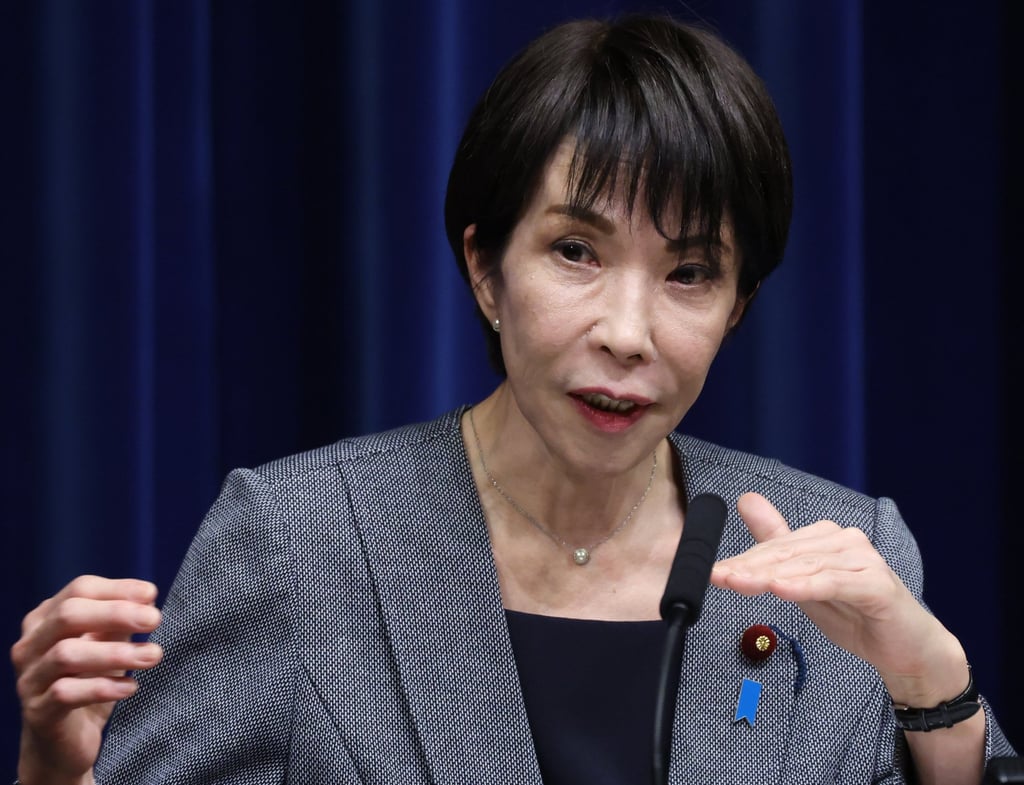
Aimed at strengthening economic security by using AI in mineral resource development and supply chain construction, the framework is likely to be included in a joint leaders’ declaration, according to government sources on Monday.
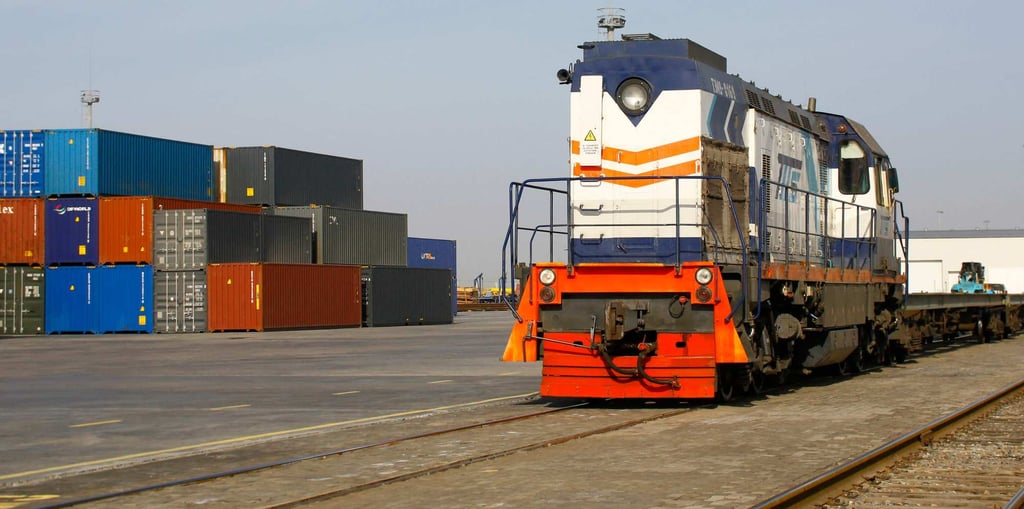
The declaration will also include infrastructure development for transport routes connecting Central Asia and Europe via the Caspian Sea with Japan’s help.
Through the initiative, Japan aims to facilitate smoother logistics by helping with the installation of cargo inspection equipment at customs and strengthening staff capabilities, thereby contributing to Central Asia’s economic growth.
As former members of the Soviet Union, the five nations have strong historical ties with Russia. China has also expanded its relations with the countries in recent years.
Japan sets precedence
Tokyo is hoping to do the same with these countries, which are located in a strategically important region with rich energy and mineral resources and sometimes known as the “backyards” of China and Russia, according to Japanese media reports.
Tomohiko Uyama, a professor of Central Eurasian studies at Hokkaido University’s Slavic-Eurasian Research Centre, said that though Japan launched the “Central Asia plus Japan” Dialogue in 2004 and pioneered the “C5+1” framework, its presence in Central Asia had “stagnated”.
Tokyo had not “sufficiently engaged in summit diplomacy”, which was “extremely important in the region”.
“This summit will demonstrate that ‘Japan is back’ as an active player in international relations concerning Central Asia,” Uyama said.
The “Central Asia plus Japan” framework established the precedent for the “C5+1” format, making Japan the first major power to recognise the five Central Asian states as a unified geopolitical entity.
Other major powers such as South Korea, the European Union, the United States, China, Russia and India adopted similar “5+1” frameworks for their own engagement with the region.
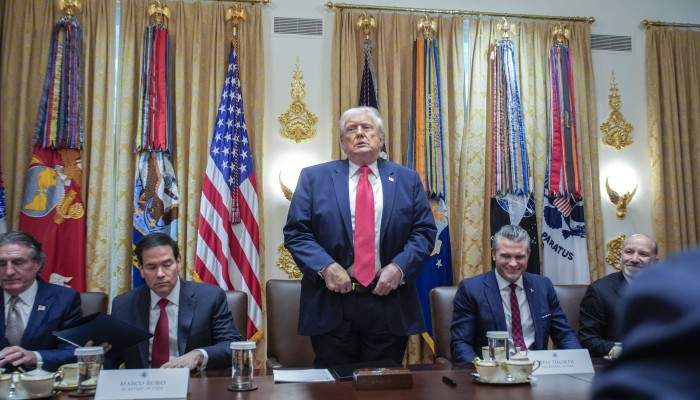
Last month, US President Donald Trump hosted the leaders of all five Central Asian republics at the White House for a historic C5+1 summit, with agreements focused heavily on critical minerals and regional connectivity.
At the Second China-Central Asia Summit chaired by Chinese President Xi Jinping and Kazakh President Kassym-Jomart Tokayev in June, 12 Belt and Road Initiative cooperation agreements were signed.
The European Union also held its first-ever summit with the countries in Samarkand, Uzbekistan, in April, with the bloc unveiling a €13.2 billion (US$15.5 billion) investment package for the region.
Given that China and Russia were “significant diplomatic concerns” for all countries in the region, Uyama said it was important for Japan to strengthen its ties with Central Asian countries “as partners who share a desire for a peaceful and stable international order that is not swayed by the self-centred actions of major powers”.
‘Non-coercive partner’
Timur Dadabaev, a professor of international relations and director of special programme for Central Eurasia at the University of Tsukuba, said the summit was important for Japan as it consolidated Tokyo’s long-standing but “often underestimated role in Central Asia as a non-coercive, trust-based partner”.
“Unlike crisis-driven or security-centric engagement, Japan’s approach has focused on institution building, infrastructure quality and long-term capacity development.”
Dadabaev said that Japan had been present in Central Asia for over three decades, but often in “quiet, technical and low-visibility ways”.
“What is new is the attempt to elevate this relationship to a leaders-level framework that reflects the region’s growing strategic confidence,” Dadabaev said. Hosting the summit signalled “continuity and seriousness” rather than a “sudden geopolitical pivot”.
“Tokyo does not seek exclusivity,” he said. Instead it was positioning itself as a middle power that offered the region “diversification rather than alignment”.
Apart from providing financial transparency, regulatory clarity and sustainability, Japan also focused less on resource extraction and more on infrastructure modernisation, energy efficiency and digital connectivity.
All this comes at a time when Central Asian governments are actively trying to avoid over-dependence on any single external actor, according to Dadabaev.
From the Central Asian perspective, the summit was valued less as a symbolic event and more as recognition, he said. “It confirms that Japan sees the region not merely as a source of energy or raw materials but as a partner in infrastructure modernisation, connectivity and technological upgrading.”
Japan provides extensive infrastructure support and financing to Central Asian republics primarily through the Official Development Assistance and infrastructure, particularly in transport and logistics.
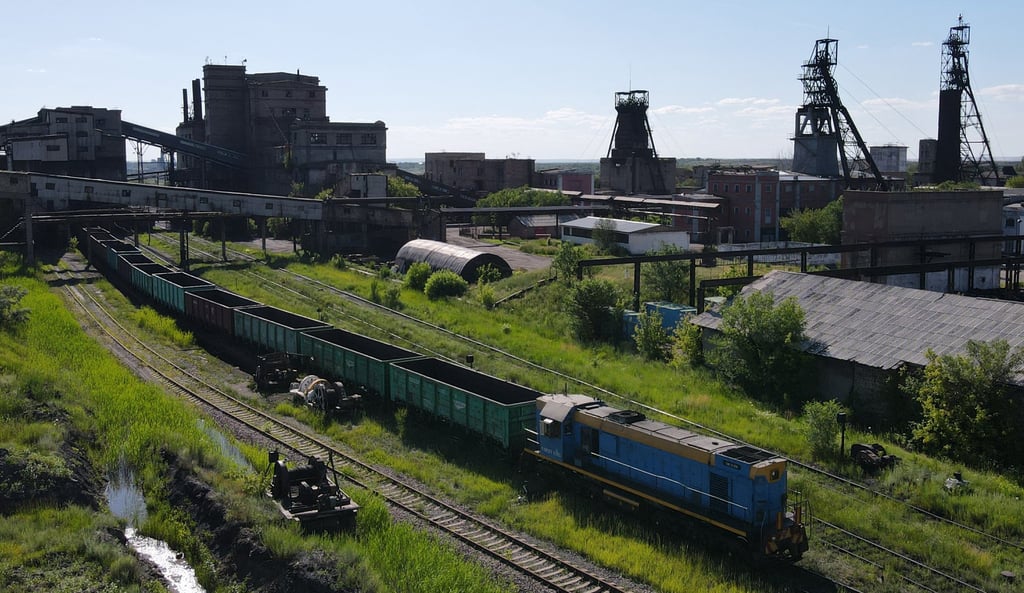
Tokyo is a major contributor to regional connectivity, most notably the Trans-Caspian International Transport Route, an initiative driven by the need for economic security and the establishment of trade links between Asia and Europe that bypass Russia.
Japan also provides concessional loans to the region for large-scale projects like power plants and transport corridors, as well as grants, emergency support and training in economic management, legal reform and disaster response.
However, Dadabaev said it would be “misleading” to frame Japan’s engagement in Central Asia as competition in China’s or Russia’s “backyard”.
“Japanese policy and corporate behaviour in the region have never followed a zero-sum logic. Japan is neither trying to match China’s scale nor replace Russia’s historical influence,” he said.
“Central Asian governments themselves seek partners that do not impose political dominance or debt pressure, and Japan fits that niche.”
About the Author