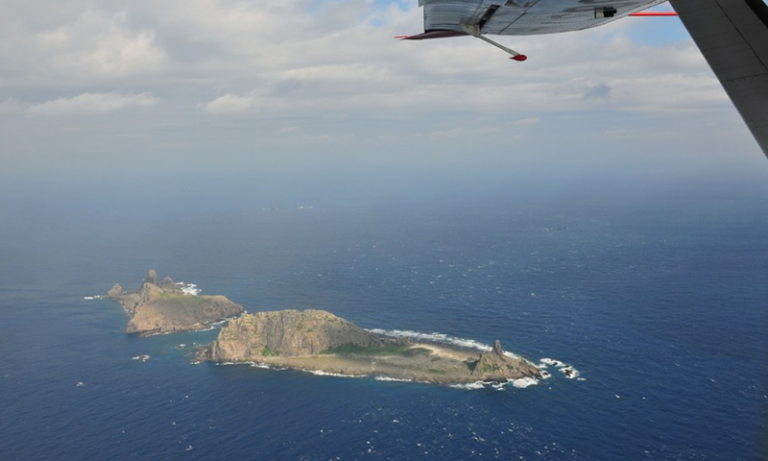

Reuters disclosed Tuesday that since late last year, some Japanese officials have been discreetly urging the country’s fishermen to steer clear of the Diaoyu Islands to avoid escalating a diplomatic clash with Beijing, claiming it “signaled an abrupt shift after years in which Tokyo tacitly accepted such trips.”
This shift, according to some Chinese experts, reflected that China’s capability and resolve to safeguard its sovereignty over the Diaoyu Islands have inevitably imposed psychological constraints on Japan’s decision-makers. Also, considering that China-Japan relations have significantly worsened due to Prime Minister Sanae Takaichi’s erroneous remarks on Taiwan, allowing the Diaoyu Islands issue to heighten tensions with China is something Japan cannot bear to see, and Tokyo’s actions have shown its concerns about the developments of bilateral ties. Experts also attributed Japan’s secret requests to the absence of US endorsement and support for Japan on China-related issues, despite repeated appeals from Tokyo.
The requests were reported for the first time by Reuters citing a Japanese fisherman and three other people with knowledge of the requests. According to Reuters, Japanese Prime Minister Takaichi’s office and Japan’s foreign ministry declined to address questions about the requests to fishermen.
Reuters claimed that some Japanese fishermen had transited the waters around the Diaoyu Islands “as a way to assert Japan’s control of the uninhabited islets and surrounding seas.” Now “the warnings issued to fishermen illustrate a catch-22 for Tokyo,” Reuters commented, citing more than a dozen people interviewed by Reuters, including fishermen, Japanese officials and security analysts, who said that fishing “risks triggering a more serious confrontation with Chinese coast guard vessels that could escalate rapidly.”
The Global Times reporter found that, as of press time, mainstream Japanese media outlets and prominent Japanese right-wing influencers on X are mute on the developments revealed by Reuters.
The discreet requests by some Japanese officials were revealed amid the deteriorated China-Japan relations since Japanese leader Sanae Takaichi made erroneous remarks on Taiwan in November 2025. Multiple Chinese ministries and government agencies have condemned the remarks, warning that Japan would face a resolute response if it dared to meddle in the Taiwan question, against the backdrop of ongoing domestic and international backlash triggered by the erroneous remarks.
Citing public security issues, product quality and safety concerns and other reasons, China has successively issued travel and study abroad warnings for Japan and suspended the import of Japanese aquatic products, among other measures, which some Japanese media have claimed as countermeasures. Also, in January, China’s Ministry of Commerce announced strengthening export control on dual-use items to Japan, according to the Xinhua News Agency.
Diaoyu Islands are China’s inherent territory. “The Diaoyu Islands issue is a territorial dispute between China and Japan, and even a flashpoint could easily trigger conflicts. Japan is well aware that it is basically impossible for it to confront China with its own strength,” Song Zhongping, a Chinese military affairs expert, told the Global Times on Wednesday.
“On top of deteriorating ties due to Takaichi’s erroneous remarks, any conflicts between Chinese and Japanese fishermen may easily escalate into direct confrontations between the maritime, coast guard and even naval forces of the two sides, which is something Japan cannot bear to see,” Song said.
Echoing Song, another Beijing-based expert, who requested anonymity, told the Global Times on Wednesday that since China-Japan relations have already deteriorated since Takaichi made Taiwan-related remarks, further provoking conflict over the Diaoyu Islands and exacerbating ties with China would likely bring no benefit to the Takaichi administration.
The expert emphasized that China’s capability and resolve to safeguard its sovereignty over the Diaoyu Islands inevitably impose psychological constraints on Japan’s decision-makers. “Due to these constraints, Japanese officials have advised fishermen to reduce activities in the relevant waters and avoid escalating tensions.”
While Japan has sought US support on sensitive issues related to China, public information so far indicates that the US has not provided the firm backing Tokyo expected, the expert added.
Song noted the new national security strategy and defense strategy released by the US, both of which clearly convey a core position: the US prioritizes the security of its homeland and the Western Hemisphere.
Reuters added that the US President Donald Trump in November asked Takaichi not to further inflame the tensions. Reuters noted that it “couldn’t determine whether the pleas to the fishermen were ordered by Takaichi or linked to the appeal from the US, Japan’s security backer.”
According to the Tuesday report, China’s Foreign Ministry told Reuters some right-wing Japanese had repeatedly entered the waters of the Diaoyu Islands “in the name of ‘fishing’ to provoke and cause trouble”, adding that maritime issues should be addressed through dialogue and consultation.
The series of provocative moves by the Takaichi administration against China revealed its real goal, that is to revise the pacifist Constitution, Song believes. “Japan has deliberately hyped up the so-called ‘China military threat theory’ with the intention of inciting populism and extreme nationalist sentiments at home, so as to encourage the public to support constitutional revision, promote the formulation of a new defense strategy, abolish various restrictive clauses on its military development in the current constitution logically, and ultimately achieve the core goal of revising the pacifist Constitution,” Song said.
Diaoyu Dao and its affiliated islands are China’s inherent territory. It is legitimate and justified for the China Coast Guard (CCG) to patrol and conduct law enforcement operations in relevant waters to protect coastal waters and defend maritime territory, leaving no room for parties with sinister intentions to infringe upon China’s territorial rights and interests, Chinese Ministry of National Defense spokesperson Zhang Xiaogang stated on January 8, in response to a question regarding Japanese media reports that as of the end of 2025, CCG vessels had been spotted in waters adjacent to Diaoyu Islands for 356 days, surpassing the 2024 record of 355 days.
“There is no need to make a fuss over it. We urge the Japanese side to be cautious with its words and deeds, and refrain from any actions that might escalate the situation. Otherwise, it will be hoisted by its own petard,” Zhang stated.
About the Author