
Washington is set to deepen its defence support for the Philippines after approving billions of dollars for a loan and a grant to its Southeast Asian ally next year to counter what an American senator has called “serious threats” from China and its partners.
Philippine defence officials have welcomed the approval by the House and Senate in Washington as further evidence of the US commitment to their alliance, even as analysts caution that the bill under the US National Defence Authorisation Act falls short of what Manila would need to build a credible deterrence against China.
The bill will be presented to US President Donald Trump for his signature.
The Philippines will be offered a US$1 billion loan repayable in 17 years and up to US$2.5 billion worth of “grant help”, with the latter stretching over five years at US$500 million annually starting in March.
Washington will also provide defence support to Japan, Australia, and other allies to strengthen bilateral training exercises and combined patrols, multilateral security cooperation, capacity-building and information-sharing.
Singapore, which was described as a “major security cooperation partner of the United States”, and Thailand were mentioned in the bill, but were not allocated any loan or aid.
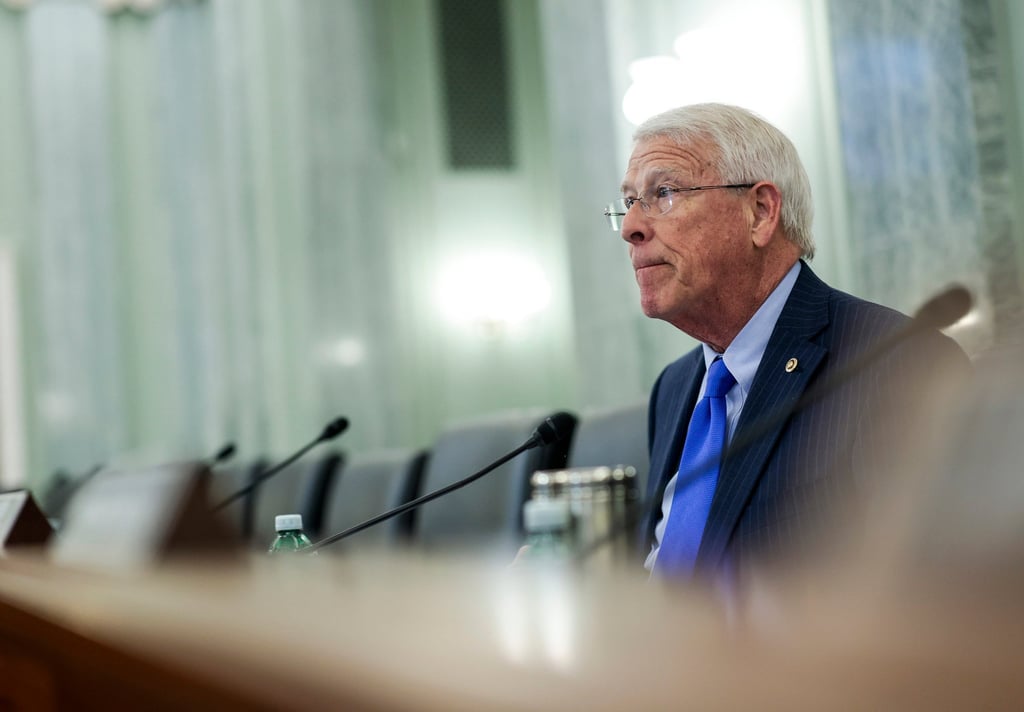
Republican Senator Roger Wicker, who chairs the Senate Armed Services Committee, said the financial support for Washington’s allies reflected the “serious threats from the People’s Republic of China and the entire axis of aggressors that it leads and partners with”, according to a report by Roll Call, an independent news outlet with a focus on the US Congress.
The Philippine Department of National Defence has welcomed the support from the US Congress to boost the alliance between Manila and Washington.
The department’s spokesman, Arsenio Andolong, told This Week in Asia on Wednesday that the funding might be used in areas such as industrial cooperation on unmanned systems, ammunition components, critical minerals refinement, logistics support, ship maintenance and repair, aircraft maintenance and repair, systems components and spare parts production.
Regardless of the US support, Andolong said that Manila was also exploring other means to fund the country’s “credible deterrence” despite facing limitations.
Political scientist Victor “Dindo” Manhit, founder and managing director of the Stratbase Group, said on Thursday that the support would be a significant boost for the Philippine military’s modernisation efforts and the broadening defence cooperation between the Philippines and United States.
“The Philippines is seeking to establish a more credible deterrence posture in response to the increasing intensity and regularity of coercive actions it faces across multiple domains, including maritime, air, and cyber,” said Manhit, who is also the managing director for BowerGroup Asia’s Philippine operations.
The Philippine military was “playing catch-up” after years of underinvestment so the US support would be particularly useful, Manhit added.
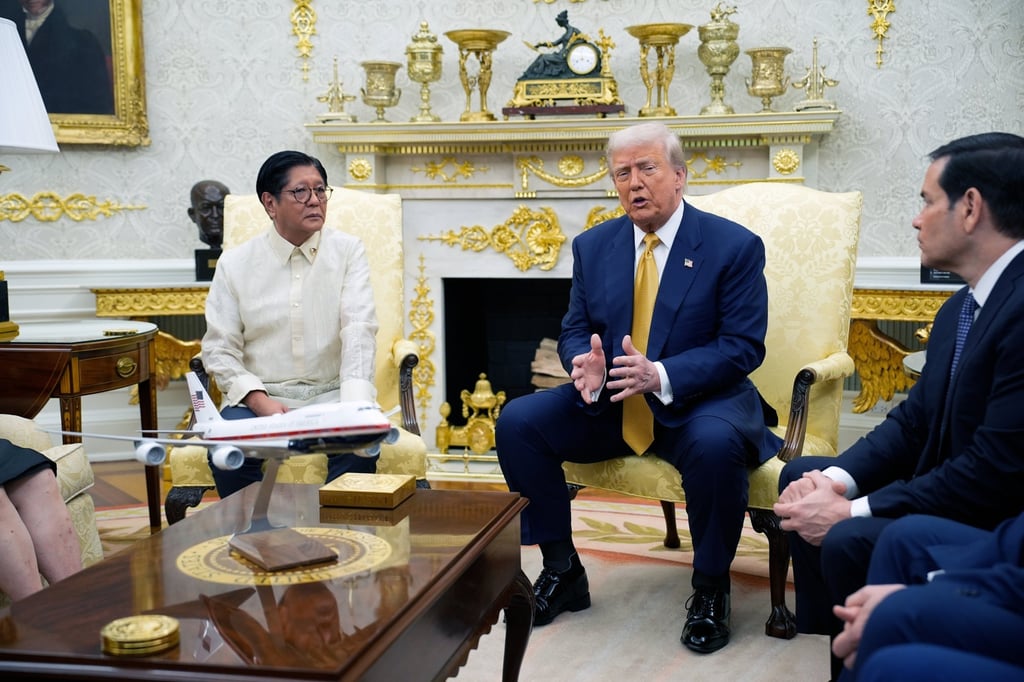
Defence and security analysts, however, have questioned the level of Washington’s commitment to the Philippines despite its strategic location in the South China Sea, where Beijing has built significant maritime assets.
Manuel Mogato, a Pulitzer Prize-winning veteran journalist who specialises in defence and security issues, said the US funding was inadequate to signal its ironclad commitment to Manila.
Mogato noted that while Israel and Egypt were each receiving at least US$1 billion of annual grants, the Philippines was only getting a loan of US$1 billion. “The US has long neglected the Philippines.”
Philippine President Ferdinand Marcos Jnr was hoping for 2 trillion pesos (US$34 billion) worth of defence upgrades for Manila to build a minimum credible defence capability, Mogato said. Nonetheless, Washington’s latest support would allow the Philippines to strengthen its deterrence, he added.
Noting that the Philippines was getting more support than its Southeast Asian neighbours, Mogato explained Washington’s rationale and said: “The Philippines is the weakest link in the first island chain, which is the centrepiece of Trump’s national security strategy.”
The strategy, announced earlier this month, states that the US will build a military capable of countering aggression in the first island chain, which refers to a string of major Pacific archipelagos stretching from the Kuril Islands, Japan, Taiwan, northern Philippines, to Borneo.
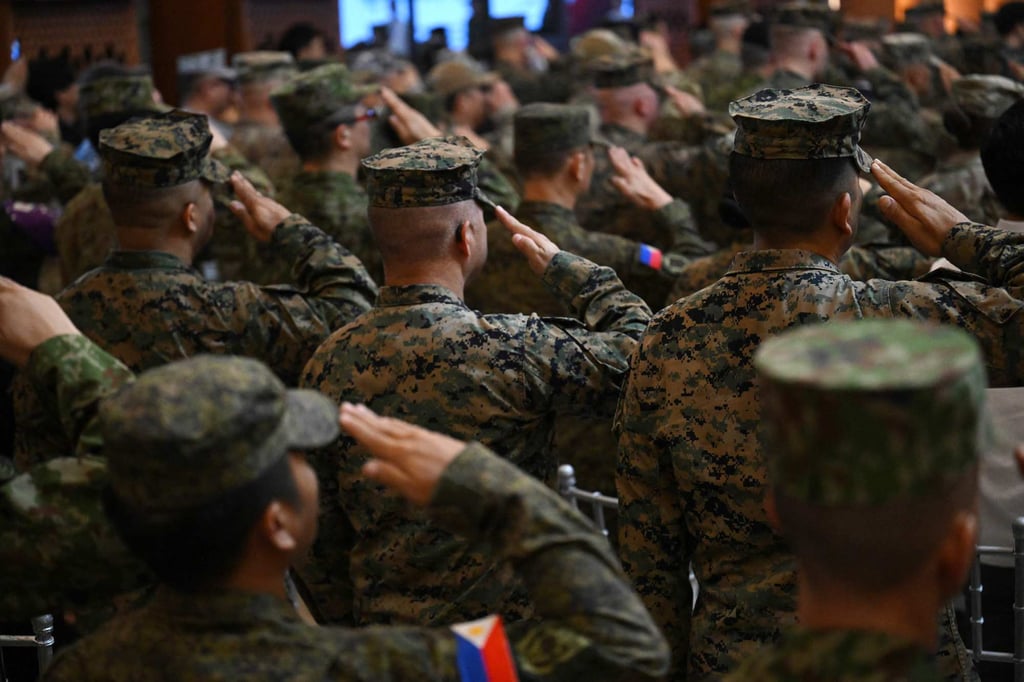
Chester Cabalza, founding president of the International Development and Security Cooperation think tank, has also welcomed the US support for Manila, saying it would bolster the Philippine military’s modernisation programme.
“The security help package will provide the necessary capital to pursue expensive and modern defence systems. However, the funds may be exclusively used for US-manufactured military armaments only,” Cabalza said.
The loan would enable the Philippines to finance its F-16 fleet and other defence systems, and its lengthy repayment period would help Manila to reduce its financial burden, according to Cabalza.
The Philippine government’s national budget for 2026 has yet to be approved by Congress.
The country’s military has been allocated 65 billion pesos in guaranteed budget allocations and 25 billion pesos in “unprogrammed funds” for its modernisation programme, with the latter conditional on support from new funding sources.
About the Author