
Serious middle powers enforce boundaries. They do not absorb pressure indefinitely. They do not treat hostility as misunderstanding. They do not mistake accommodation for statecraft.
Australia does the opposite.
In early 2025, a Chinese navy taskforce circumnavigated Australia. Three warships, including a Type 055 cruiser, sailed more than 12,000 nautical miles around the continent over a month, conducting live-fire drills in the Tasman Sea.
That’s what confidence looks like. The incidents that preceded it explain where that confidence came from.
In February 2022, a Chinese navy vessel directed a military-grade laser at an Australian P-8A Poseidon surveillance aircraft. The aircraft was operating in Australia’s exclusive economic zone, north of Darwin. The laser, capable of causing permanent eye damage, was aimed at the cockpit during flight operations.
Scott Morrison, then prime minister, called the incident ‘an act of intimidation’. The Department of Defence said it was ‘not in keeping with the standards we expect’. No cost was imposed. No access was withdrawn. The incident was absorbed.
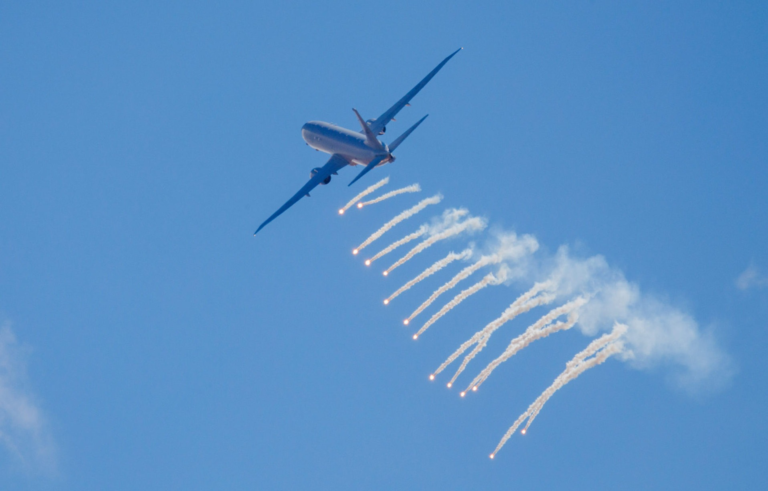
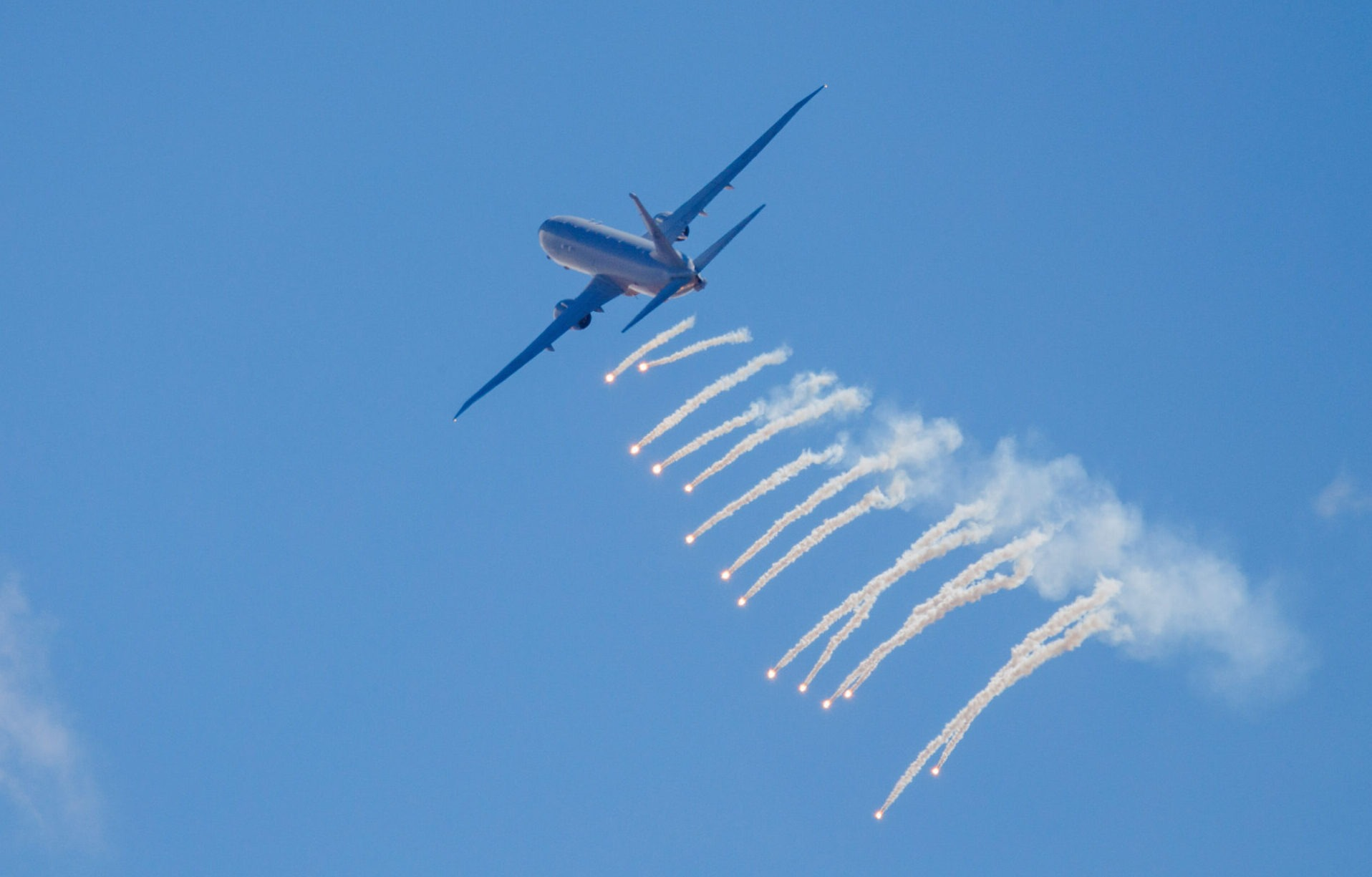
Three months later, a Chinese J-16 fighter intercepted another Australian P-8 over the South China Sea, releasing chaff directly into the aircraft’s flight path. The chaff was ingested by an engine. The crew assessed the manoeuvre as dangerous. Defence expressed concern. China’s foreign ministry described the Australian aircraft’s presence as ‘malicious and provocative’. No Australian official disputed that characterisation publicly. The incident was absorbed.
In November 2023, HMAS Toowoomba stopped in international waters within Japan’s exclusive economic zone to clear fishing nets from its propellers. The frigate was supporting the enforcement of UN sanctions against North Korea. Divers entered the water. The ship communicated diving operations over radio and displayed international signals.
A Chinese destroyer, Ningbo, approached. Toowoomba issued multiple warnings to maintain distance. Ningbo acknowledged the warnings. It continued to close distance and activated its hull-mounted sonar. High-intensity pulses hit the divers underwater. The crew was forced to surface immediately. Medical assessment confirmed injuries including hearing damage, dizziness and pressure-wave trauma.
Defence notified the prime minister’s department the following day. Two days after the attack, Prime Minister Anthony Albanese met President Xi Jinping on the sidelines of the Asia-Pacific Economic Cooperation forum in San Francisco. When asked whether he’d raised the incident with Xi, Albanese wouldn’t confirm. He said the sonar attack had been raised ‘through all the normal channels’. He called for ‘communication guardrails’ between militaries and emphasised the importance of positive engagement.
Australian personnel conducting lawful operations were injured by a deliberate act. The prime minister met the Chinese president two days later. The incident was absorbed.
The pattern continued. In May 2024, a Chinese J-10 fighter released flares across the path of an MH-60R Seahawk helicopter operating from HMAS Hobart in the Yellow Sea during UN sanctions enforcement. In February 2025, a Chinese fighter dropped flares 30 metres from a Royal Australian Air Force P-8A near the Paracel Islands in the South China Sea. In October 2025, a Chinese Su-35 did the same thing. Each incident was absorbed.
Six public incidents in three years: laser; chaff ingested into an engine; sonar causing injury; flares dropped within metres of Australian aircraft. Each time: a statement, a diplomatic note, a call for guardrails. Each time, no cost was imposed. Each time, the incident was absorbed.
Accommodation teaches. Each incident without consequence signals that the next incident will also be without consequence. Statements aren’t costs. Diplomatic notes aren’t deterrence. When hostile acts are met with calls for dialogue, dialogue becomes the ceiling of response.
The circumnavigation was confirmation rather than provocation. A navy that has faced no cost for injuring Australian personnel has no reason to doubt it can sail around Australia firing weapons in the Tasman Sea. It did. It will again.
Serious middle powers don’t absorb attacks on their personnel and call for communication guardrails. They impose costs that change calculations. Australia has made a different choice. Accommodation is the policy.
About the Author