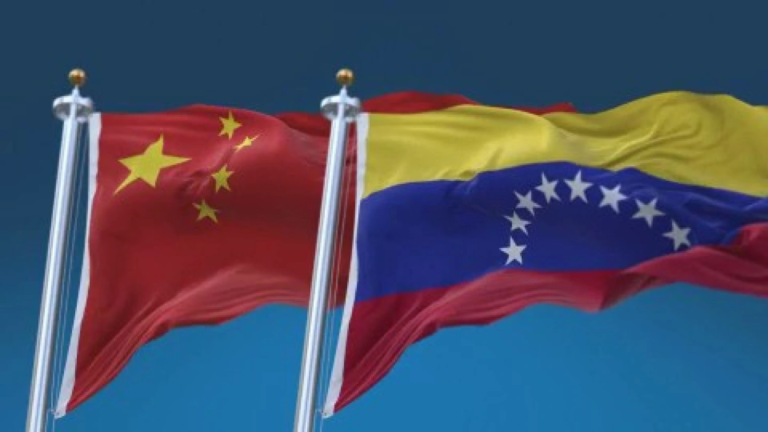

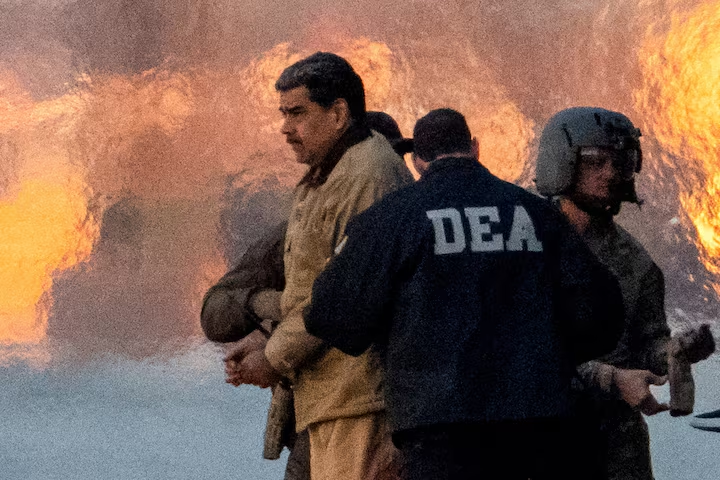
Among the many goals of last week’s U.S. military operation that captured Venezuelan President Nicolas Maduro was to send China a message: stay away from the Americas.
For at least two decades, Beijing has sought to build influence in Latin America, not only to pursue economic opportunities but to gain a strategic foothold on the doorstep of its top geopolitical rival.
Several Trump administration officials told Reuters the U.S. president’s move against Maduro was intended in part to counter China’s ambitions, and Beijing’s days of leveraging debt to get cheap oil from Venezuela were “over.”
‘WE DON’T WANT YOU THERE’
Trump made the message explicit on Friday, expressing discomfort with China and Russia as a “next-door neighbor,” in a meeting with oil executives.
“I told China and I told Russia, ‘We get along with you very well, we like you very much, we don’t want you there, you’re not gonna be there,'” Trump said. Now, he said, he will tell China that “we are open for business” and that they can “buy all the oil they want from us there or in the United States.”
The success of the January 3 early morning raid, in which U.S. commandos swept into Caracas and grabbed the Venezuelan president and his wife, was a blow to China’s interests and prestige.
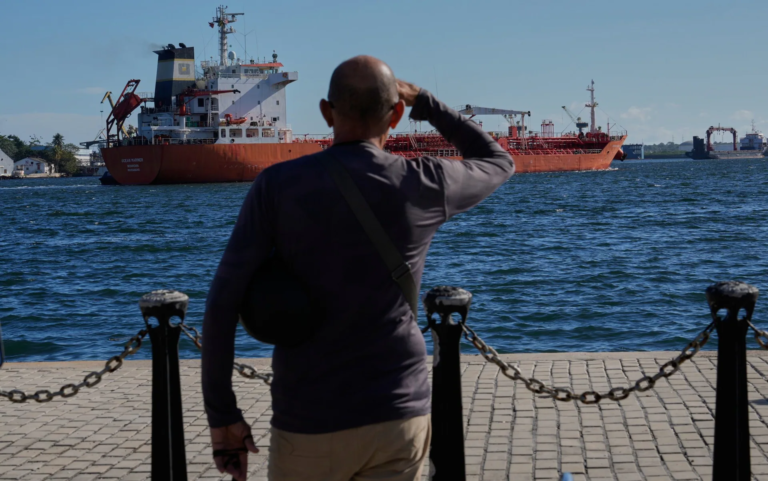
The air defenses that U.S. forces quickly disabled had been supplied by China and Russia, and Trump said 30 million to 50 million barrels of oil under sanctions, much of it previously bound for Chinese ports, will now be sent to the U.S.
Analysts say Maduro’s capture exposed Beijing’s limited ability to exert its will in the Americas.
The attack exposed the gulf between China’s “great-power rhetoric and its real reach” in the Western Hemisphere, said Craig Singleton, a China expert at the Foundation for Defense of Democracies think tank.
“Beijing can protest diplomatically, but it cannot protect partners or assets once Washington decides to apply direct pressure,” he said.
In a statement to Reuters, the Chinese embassy in Washington said it rejected what it called the United States’ “unilateral, illegal, and bullying acts.”
“China and Latin American and Caribbean countries maintain friendly exchanges and cooperation. No matter how the situation may evolve, we will continue to be a friend and partner,” said Liu Pengyu, the embassy’s spokesperson.
The White House did not respond to a request for comment.
But one administration official said “China should be concerned about their position in the Western Hemisphere,” adding that their partners in the region increasingly realize China cannot protect them.
About the Author