




A new element has just appeared in Australia–Japan defence and security cooperation: strategic depth. But the two countries, having mentioned it, haven’t gone far to explain what they mean by it.
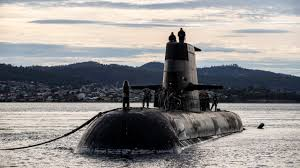
Nonetheless, some fairly safe interpretations can be made. The idea may include Tokyo setting up more defence factories in Australia, providing a back-up source of munitions and other materiel in a protracted conflict. Japan may be able to help defend Australia’s northern approaches. And defence planners also probably foresee moving some Japan Self-Defence Force assets to Australia during a crisis, as the United States is expected to do, gaining distance from China’s missile and drone forces.
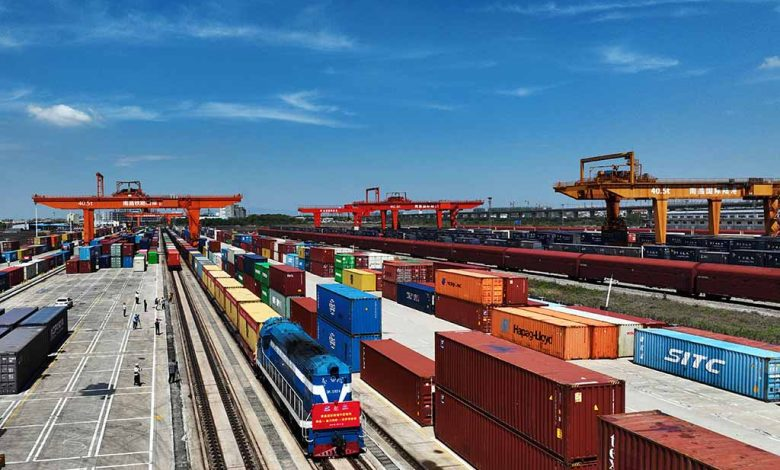
Short of war, the countries will expand cooperation on economic security and supply chain resilience, including taking steps to secure vital sea lanes.
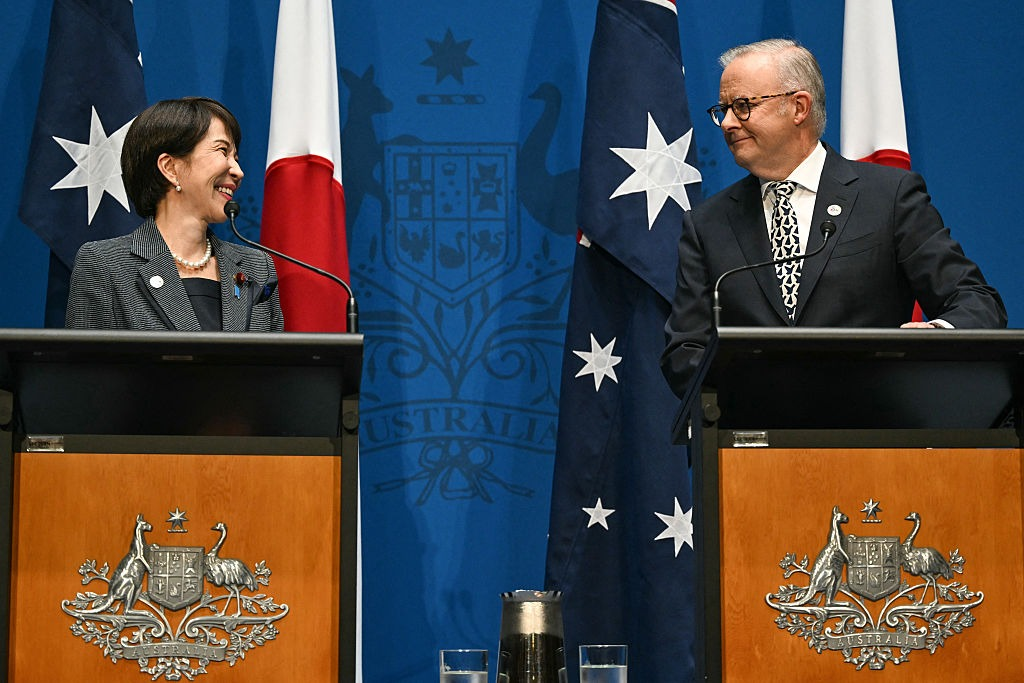
‘Strategic depth’, familiar to military thinkers as distance between the front line and vital points in the rear, suddenly turned up in Australia–Japan relations on 4 May, after a meeting of prime ministers Sanae Takaichi and Anthony Albanese. In a joint statement, they said their countries’ future defence cooperation would be ‘based on the understanding that Japan and Australia are increasingly vital to each other’s strategic depth – to leverage our advantages, including our respective industrial bases, geographical characteristics and networks.’
An Australian perspective
Australian defence planners have for decades considered strategic depth as an advantage of their country’s continental size and distance from major military threats. The 1994, 2009 and 2013 defence white papers use the term in this context. But Australia’s geographical buffer against direct attack is balanced against the vulnerability of its connections to allies and partners, notably the movement of merchant shipping. This is what the 2020 Defence Strategic Update meant when it warned that new technologies, coupled with China’s growing power, were reshaping the map.
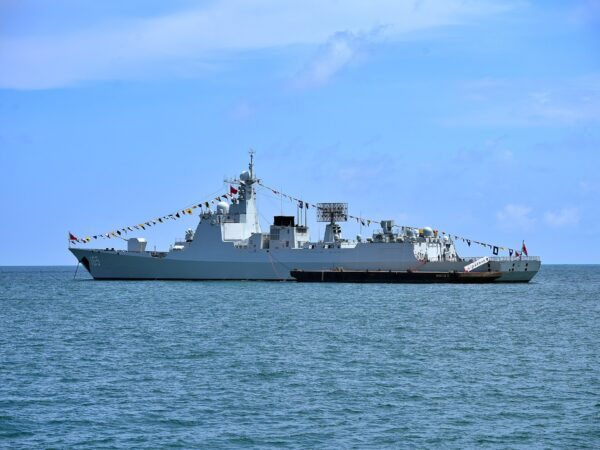
Japan and other territories in the first island chain act as a seawall, resisting China’s naval projection into the Pacific. Without Japan, China poses a greater threat to Australia’s connections with the United States. Japan could also help in Australia’s northern approaches to deny an adversary use of the approaches to Australia. This is likely to be part of how Canberra sees Japan lending strategic depth to Australia. Evidence for this includes the 2022 Reciprocal Access Agreement and the support that Australia has provided Japan as it deepens its security cooperation with Papua New Guinea.
But there can be more to strategic depth than geography. The 2026 National Defence Strategy talks about ‘industrial depth’, which is enabled by stronger international partnerships. Japan is valuable because it has patient capital, technological know-how and industrial might that could help restart manufacturing in Australia. Catalysed by the project to build frigates of Japan’s Upgraded Mogami class for Australia, investment priorities in the bilateral economic security agenda include defence industry and other inputs to military capability, such as critical minerals and dual-use technologies. If New Zealand, Indonesia and other countries in the region also acquire Mogamis, then the project’s Henderson precinct in Western Australia could become a regional warship-building and sustainment hub.
A Japanese perspective
For Japan, Australia’s geography could offer industrial resilience. As a frontline state, it can hardly avoid the proximity of its defence industry to China and therefore vulnerability to air and missile strikes. To reduce risk, Tokyo needs access to defence industrial capacity elsewhere. For the past 80 years, the elsewhere has been the US, from which factories could supply Japan. But American factories are now under growing strain to meet the US’s own arms requirements. So Australia looks good as another place for dispersed and safer military production for Japan, providing strategic depth.
Australia’s geography also enhances Japan’s operational reach across the Indo-Pacific. If Japan’s military is to contribute more actively to regional stability through peacetime presence missions, access to support facilities in Australia will be increasingly important. Japan sits on the northeastern edge of Asia, whereas Australian centres such as Darwin and Perth are closer to the centre of the Indo-Pacific maritime theatre. Support on Australian territory would significantly improve operational sustainment and maritime presence for Japanese vessels and aircraft.
Japanese defence innovation can also make use of Australia’s geography. Modest physical size and dense population constrain Japan in testing military systems, particularly missiles, drones and electromagnetic warfare equipment. Facilities such as the Woomera Test Range and Australia’s vast training areas solve the problem. They can indeed be key enablers for Japan and Australia to work together in military technological development.
Next steps
Canberra’s and Tokyo’s efforts will likely jar with Beijing’s ‘quest for strategic depth’, as it is referred to in Australia’s 2026 National Defence Strategy. Defence Minister Richard Marles cited this as a reason why Beijing was ‘enforcing contested territorial and maritime claims in the South and East China Seas’.
Because delivery of strategic depth through Australian–Japanese cooperation seems to involve types of industrial collaboration beyond the remit of defence ministries, a range of government agencies will need to be involved in its delivery. Foreign ministries will have a role, explaining the concept to the region and rebutting Beijing’s efforts to misrepresent it. Recent announcements to enhance regular diplomatic consultations between Australia and Japan and establish a ‘leadership dialogue’ to bring together experts from government, business, academia and civil society are steps towards a coordinated approach.