





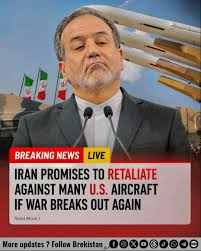
The U.S.-Israeli war on Iran was meant to break the Islamic Republic. Instead, the warring sides are edging towards an interim agreement that would leave Iran battered but not broken.
As the outlines of a potential deal emerge from sources familiar with the discussions, Iran looks set to emerge economically shattered and with its military-industrial base severely degraded, but with hardline Revolutionary Guard dominance more firmly entrenched than before.
Even if a memorandum on ending the war is agreed soon, it is less likely to be a lasting breakthrough than a temporary truce, diplomats, officials and regional analysts say.
They portray the likely outcome as a bargain designed to reopen the Strait of Hormuz, ease economic pressure on global financial markets and Iran and give U.S. President Donald Trump a political off‑ramp while deferring the more intractable issues to a later date.
“There have been extraordinary tactical military successes and no fundamental strategic gains,” said Dennis Ross, a former senior U.S. diplomat. “There is no file that has been closed.”